
Articles liés à The Teenage Brain: A Neuroscientist's Survival...
The Teenage Brain: A Neuroscientist's Survival Guide to Raising Adolescents and Young Adults - Couverture rigide
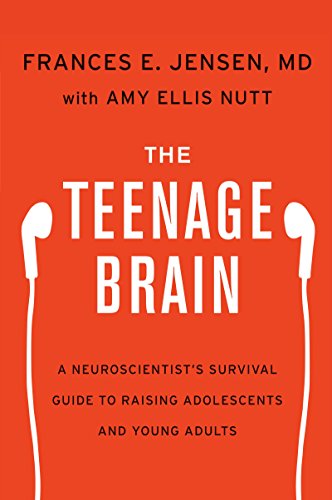
Synopsis
A New York Times Bestseller
Renowned neurologist Dr. Frances E. Jensen offers a revolutionary look at the science of the teenage brain, dispelling myths and offering practical advice for teens, parents and teachers.
Dr. Frances E. Jensen is chair of the department of neurology in the Perelman School of Medicine at the University of Pennsylvania. As a mother, teacher, researcher, clinician, and frequent lecturer to parents and teens, she is in a unique position to explain to readers the fascinating neuroscience behind the workings of the teen brain. In The Teenage Brain, Dr. Jensen brings to readers the astonishing findings that previously remained buried in academic journals.
The root myth scientists believed for years was that the adolescent brain was essentially an adult one, only with fewer miles on it. Over the last decade, however, the scientific community has learned that the teen years encompass vitally important stages of brain development. Samples of some of the most recent findings include:
- Teens are better learners than adults because their brain cells more readily "build" memories. But this heightened adaptability can be hijacked by addiction, and the adolescent brain can become addicted more strongly and for a longer duration than the adult brain.
- Studies show that girls’ brains are a full two years more mature than boys’ brains in the mid-teens, possibly explaining differences seen in the classroom and in social behavior.
- Adolescents may not be as resilient to the effects of drugs as we thought. Recent experimental and human studies show that the occasional use of marijuana, for instance, can cause lingering memory problems even days after smoking, and that long-term use of pot impacts later adulthood IQ.
- Multi-tasking causes divided attention and has been shown to reduce learning ability in the teenage brain. Multi-tasking also has some addictive qualities, which may result in habitual short attention in teenagers.
- Emotionally stressful situations may impact the adolescent more than it would affect the adult: stress can have permanent effects on mental health and can to lead to higher risk of developing neuropsychiatric disorders such as depression.
Dr. Jensen gathers what we’ve discovered about adolescent brain function, wiring, and capacity and explains the science in the contexts of everyday learning and multitasking, stress and memory, sleep, addiction, and decision-making. In this groundbreaking yet accessible parenting guide, these findings also yield practical suggestions that will help adults and teenagers negotiate the mysterious world of adolescent development.
Les informations fournies dans la section « Synopsis » peuvent faire référence à une autre édition de ce titre.
À propos des auteurs
Frances E. Jensen, MD, is Professor and Chair of the Department of Neurology at the Perelman School of Medicine, University of Pennsylvania. She was Professor of Neurology at Harvard Medical School, Director of Translational Neuroscience and Director of Epilepsy Research at Boston Children’s Hospital, and Senior Neurologist at Boston Children’s and Brigham and Women’s Hospitals. She lectures widely about the teen brain at science museums, TEDMED, and high schools.
Amy Ellis Nutt is a science journalist at the Washington Post and the recipient of a Pulitzer Prize in feature writing. Her most recent book is Becoming Nicole: The Transformation of an American Family.
À propos de la quatrième de couverture
For many years, scientists believed that the adolescent brain was essentially an adult one. Over the last decade, however, neurology and neuroscience have revealed that the teen years encompass vitally important stages of brain development.
Interweaving clear summary and analysis of research data with anecdotes drawn from her years as a clinician, researcher, and public speaker, renowned neurologist Frances E. Jensen, MD, explores adolescent brain functioning and development in the context of learning and multitasking, stress and memory, sleep, addiction, and decision making.
The Teenage Brain explains how these eye-opening findings not only dispel commonly held myths about teens but also yield practical suggestions for adults and teenagers negotiating the mysterious and magical world of adolescent biology.
“It’s charming to see good science translate directly into good parenting.”—New York Times Book Review
“This well-written, accessible work...offers support and a way for parents to understand and relate to their own soon-to-be-adult offspring.”—Publishers Weekly
Les informations fournies dans la section « A propos du livre » peuvent faire référence à une autre édition de ce titre.
Résultats de recherche pour The Teenage Brain: A Neuroscientist's Survival...

Image d'archives
The Teenage Brain: A Neuroscientist's Survival Guide to Raising Adolescents and Young Adults
Edité par
HarperCollins Publishers Inc, 2015
ISBN 10 : 0062067842
ISBN 13 : 9780062067845
Ancien ou d'occasion
Couverture rigide
Vendeur : World of Books (was SecondSale), Montgomery, IL, Etats-Unis
Évaluation du vendeur 5 sur 5 étoiles

Hardback. Etat : Good. A New York Times Bestseller Renowned neurologist Dr. Frances E. Jensen offers a revolutionary look at the science of the teenage brain, dispelling myths and offering practical advice for teens, parents and teachers. Dr. Frances E. Jensen is chair of the department of neurology in the Perelman School of Medicine at the University of Pennsylvania. As a mother, teacher, researcher, clinician, and frequent lecturer to parents and teens, she is in a unique position to explain to readers the fascinating neuroscience behind the workings of the teen brain. In The Teenage Brain, Dr. Jensen brings to readers the astonishing findings that previously remained buried in academic journals. The root myth scientists believed for years was that the adolescent brain was essentially an adult one, only with fewer miles on it. Over the last decade, however, the scientific community has learned that the teen years encompass vitally important stages of brain development. Samples of some of the most recent findings include: Teens are better learners than adults because their brain cells more readily "build" memories. But this heightened adaptability can be hijacked by addiction, and the adolescent brain can become addicted more strongly and for a longer duration than the adult brain. Studies show that girls' brains are a full two years more mature than boys' brains in the mid-teens, possibly explaining differences seen in the classroom and in social behavior. Adolescents may not be as resilient to the effects of drugs as we thought. Recent experimental and human studies show that the occasional use of marijuana, for instance, can cause lingering memory problems even days after smoking, and that long-term use of pot impacts later adulthood IQ. Multi-tasking causes divided attention and has been shown to reduce learning ability in the teenage brain. Multi-tasking also has some addictive qualities, which may result in habitual short attention in teenagers. Emotionally stressful situations may impact the adolescent more than it would affect the adult: stress can have permanent effects on mental health and can to lead to higher risk of developing neuropsychiatric disorders such as depression. Dr. Jensen gathers what we've discovered about adolescent brain function, wiring, and capacity and explains the science in the contexts of everyday learning and multitasking, stress and memory, sleep, addiction, and decision-making. In this groundbreaking yet accessible parenting guide, these findings also yield practical suggestions that will help adults and teenagers negotiate the mysterious world of adolescent development. N° de réf. du vendeur 00104471076
Acheter D'occasion
EUR 3,88
Livraison gratuite
Expédition nationale : Etats-Unis
Expédition nationale : Etats-Unis
Quantité disponible : Plus de 20 disponibles
Image d'archives
The Teenage Brain: A Neuroscientist's Survival Guide to Raising Adolescents and Young Adults
Edité par
HarperCollins Publishers Inc, 2015
ISBN 10 : 0062067842
ISBN 13 : 9780062067845
Ancien ou d'occasion
Couverture rigide
Vendeur : World of Books (was SecondSale), Montgomery, IL, Etats-Unis
Évaluation du vendeur 5 sur 5 étoiles
Hardback. Etat : Fair. A New York Times Bestseller Renowned neurologist Dr. Frances E. Jensen offers a revolutionary look at the science of the teenage brain, dispelling myths and offering practical advice for teens, parents and teachers. Dr. Frances E. Jensen is chair of the department of neurology in the Perelman School of Medicine at the University of Pennsylvania. As a mother, teacher, researcher, clinician, and frequent lecturer to parents and teens, she is in a unique position to explain to readers the fascinating neuroscience behind the workings of the teen brain. In The Teenage Brain, Dr. Jensen brings to readers the astonishing findings that previously remained buried in academic journals. The root myth scientists believed for years was that the adolescent brain was essentially an adult one, only with fewer miles on it. Over the last decade, however, the scientific community has learned that the teen years encompass vitally important stages of brain development. Samples of some of the most recent findings include: Teens are better learners than adults because their brain cells more readily "build" memories. But this heightened adaptability can be hijacked by addiction, and the adolescent brain can become addicted more strongly and for a longer duration than the adult brain. Studies show that girls' brains are a full two years more mature than boys' brains in the mid-teens, possibly explaining differences seen in the classroom and in social behavior. Adolescents may not be as resilient to the effects of drugs as we thought. Recent experimental and human studies show that the occasional use of marijuana, for instance, can cause lingering memory problems even days after smoking, and that long-term use of pot impacts later adulthood IQ. Multi-tasking causes divided attention and has been shown to reduce learning ability in the teenage brain. Multi-tasking also has some addictive qualities, which may result in habitual short attention in teenagers. Emotionally stressful situations may impact the adolescent more than it would affect the adult: stress can have permanent effects on mental health and can to lead to higher risk of developing neuropsychiatric disorders such as depression. Dr. Jensen gathers what we've discovered about adolescent brain function, wiring, and capacity and explains the science in the contexts of everyday learning and multitasking, stress and memory, sleep, addiction, and decision-making. In this groundbreaking yet accessible parenting guide, these findings also yield practical suggestions that will help adults and teenagers negotiate the mysterious world of adolescent development. N° de réf. du vendeur 00106573188
Acheter D'occasion
EUR 3,88
Livraison gratuite
Expédition nationale : Etats-Unis
Expédition nationale : Etats-Unis
Quantité disponible : 2 disponible(s)
Image fournie par le vendeur
The Teenage Brain: A Neuroscientist's Survival Guide to Raising Adolescents and Young Adults
Edité par
Harper, 2015
ISBN 10 : 0062067842
ISBN 13 : 9780062067845
Ancien ou d'occasion
Couverture rigide
Vendeur : Dream Books Co., Denver, CO, Etats-Unis
Évaluation du vendeur 5 sur 5 étoiles
Etat : acceptable. This copy has clearly been enjoyedâ"expect noticeable shelf wear and some minor creases to the cover. Binding is strong, and all pages are legible. May contain previous library markings or stamps. N° de réf. du vendeur DBV.0062067842.A
Acheter D'occasion
EUR 3,89
Livraison gratuite
Expédition nationale : Etats-Unis
Expédition nationale : Etats-Unis
Quantité disponible : 1 disponible(s)
Image fournie par le vendeur
The Teenage Brain: A Neuroscientist's Survival Guide to Raising Adolescents and Young Adults
Edité par
Harper, 2015
ISBN 10 : 0062067842
ISBN 13 : 9780062067845
Ancien ou d'occasion
Couverture rigide
Vendeur : Dream Books Co., Denver, CO, Etats-Unis
Évaluation du vendeur 5 sur 5 étoiles
Etat : very_good. Pages are clean with no markings. May show minor signs of wear or cosmetic defects marks, cuts, bends, or scuffs on the cover, spine, pages, or dust jacket. May have remainder marks on edges. N° de réf. du vendeur DBV.0062067842.VG
Acheter D'occasion
EUR 4,07
Livraison gratuite
Expédition nationale : Etats-Unis
Expédition nationale : Etats-Unis
Quantité disponible : 1 disponible(s)
Image d'archives
The Teenage Brain: A Neuroscientist's Survival Guide to Raising Adolescents and Young Adults
Edité par
Unknown, 2015
ISBN 10 : 0062067842
ISBN 13 : 9780062067845
Ancien ou d'occasion
Couverture rigide
Vendeur : NW Book Rescue, Hubbard, OR, Etats-Unis
Évaluation du vendeur 2 sur 5 étoiles

hardcover. Etat : As New. Excellent condition. Pages are crisp and clean with no markings. Any images shown are stock photographs and product may differ from what is shown. N° de réf. du vendeur *-SFRC-20260731-0290-906.4K-E4343
Acheter D'occasion
EUR 4,36
Livraison gratuite
Expédition nationale : Etats-Unis
Expédition nationale : Etats-Unis
Quantité disponible : 1 disponible(s)
Image d'archives
The Teenage Brain: A Neuroscientist's Survival Guide to Raising Adolescents and Young Adults
Edité par
Harper, 2015
ISBN 10 : 0062067842
ISBN 13 : 9780062067845
Ancien ou d'occasion
Couverture rigide
Vendeur : New Legacy Books, Annandale, NJ, Etats-Unis
Évaluation du vendeur 5 sur 5 étoiles
hardcover. Etat : Good. The dust jacket shows normal wear. Fast shipping and order satisfaction guaranteed. A portion of your purchase benefits Non-Profit Organizations, First Aid and Fire Stations! N° de réf. du vendeur mon0000151050
Acheter D'occasion
EUR 2,29
Expédition à EUR 2,22
Expédition nationale : Etats-Unis
Expédition nationale : Etats-Unis
Quantité disponible : 1 disponible(s)
Image fournie par le vendeur
The Teenage Brain: A Neuroscientist's Survival Guide to Raising Adolescents and Young Adults
Edité par
Harper, 2015
ISBN 10 : 0062067842
ISBN 13 : 9780062067845
Ancien ou d'occasion
Couverture rigide
Vendeur : Greenworld Books, Arlington, TX, Etats-Unis
Évaluation du vendeur 5 sur 5 étoiles
Etat : good. Fast Free Shipping â" Good condition. It may show normal signs of use, such as light writing, highlighting, or library markings, but all pages are intact and the book is fully readable. A solid, complete copy that's ready to enjoy. N° de réf. du vendeur GWV.0062067842.G
Acheter D'occasion
EUR 4,70
Livraison gratuite
Expédition nationale : Etats-Unis
Expédition nationale : Etats-Unis
Quantité disponible : 1 disponible(s)
Image d'archives
The Teenage Brain: A Neuroscientist's Survival Guide to Raising Adolescents and Young Adults
Edité par
Harper, 2015
ISBN 10 : 0062067842
ISBN 13 : 9780062067845
Ancien ou d'occasion
Couverture rigide
Vendeur : More Than Words, Waltham, MA, Etats-Unis
Évaluation du vendeur 5 sur 5 étoiles
Etat : Good. A sound copy with only light wear. Overall a solid copy at a great price! N° de réf. du vendeur BOS-I-02h-01856
Acheter D'occasion
EUR 1,16
Expédition à EUR 3,56
Expédition nationale : Etats-Unis
Expédition nationale : Etats-Unis
Quantité disponible : 2 disponible(s)
Image fournie par le vendeur
The Teenage Brain: A Neuroscientist's Survival Guide to Raising Adolescents and Young Adults
Edité par
Harper, 2015
ISBN 10 : 0062067842
ISBN 13 : 9780062067845
Ancien ou d'occasion
Couverture rigide
Vendeur : ZBK Books, Carlstadt, NJ, Etats-Unis
Évaluation du vendeur 5 sur 5 étoiles
Etat : very_good. Fast & Free Shipping â" Very Good condition book with a firm cover and clean pages. Shows normal use and some light wear or limited notes markings. A solid, nice copy to enjoy. N° de réf. du vendeur ZWV.0062067842.VG
Acheter D'occasion
EUR 5,28
Livraison gratuite
Expédition nationale : Etats-Unis
Expédition nationale : Etats-Unis
Quantité disponible : 1 disponible(s)
Image d'archives
The Teenage Brain: A Neuroscientist's Survival Guide to Raising Adolescents and Young Adults
Edité par
HarperCollins Publishers Inc, 2015
ISBN 10 : 0062067842
ISBN 13 : 9780062067845
Ancien ou d'occasion
Couverture rigide
Vendeur : World of Books Inc, Montgomery, IL, Etats-Unis
Évaluation du vendeur 4 sur 5 étoiles

Hardback. Etat : Good. A New York Times Bestseller Renowned neurologist Dr. Frances E. Jensen offers a revolutionary look at the science of the teenage brain, dispelling myths and offering practical advice for teens, parents and teachers. Dr. Frances E. Jensen is chair of the department of neurology in the Perelman School of Medicine at the University of Pennsylvania. As a mother, teacher, researcher, clinician, and frequent lecturer to parents and teens, she is in a unique position to explain to readers the fascinating neuroscience behind the workings of the teen brain. In The Teenage Brain, Dr. Jensen brings to readers the astonishing findings that previously remained buried in academic journals. The root myth scientists believed for years was that the adolescent brain was essentially an adult one, only with fewer miles on it. Over the last decade, however, the scientific community has learned that the teen years encompass vitally important stages of brain development. Samples of some of the most recent findings include: Teens are better learners than adults because their brain cells more readily "build" memories. But this heightened adaptability can be hijacked by addiction, and the adolescent brain can become addicted more strongly and for a longer duration than the adult brain. Studies show that girls' brains are a full two years more mature than boys' brains in the mid-teens, possibly explaining differences seen in the classroom and in social behavior. Adolescents may not be as resilient to the effects of drugs as we thought. Recent experimental and human studies show that the occasional use of marijuana, for instance, can cause lingering memory problems even days after smoking, and that long-term use of pot impacts later adulthood IQ. Multi-tasking causes divided attention and has been shown to reduce learning ability in the teenage brain. Multi-tasking also has some addictive qualities, which may result in habitual short attention in teenagers. Emotionally stressful situations may impact the adolescent more than it would affect the adult: stress can have permanent effects on mental health and can to lead to higher risk of developing neuropsychiatric disorders such as depression. Dr. Jensen gathers what we've discovered about adolescent brain function, wiring, and capacity and explains the science in the contexts of everyday learning and multitasking, stress and memory, sleep, addiction, and decision-making. In this groundbreaking yet accessible parenting guide, these findings also yield practical suggestions that will help adults and teenagers negotiate the mysterious world of adolescent development. N° de réf. du vendeur CIN0062067842G
Acheter D'occasion
EUR 5,72
Livraison gratuite
Expédition nationale : Etats-Unis
Expédition nationale : Etats-Unis
Quantité disponible : Plus de 20 disponibles