
Articles liés à Teaching Science as Inquiry
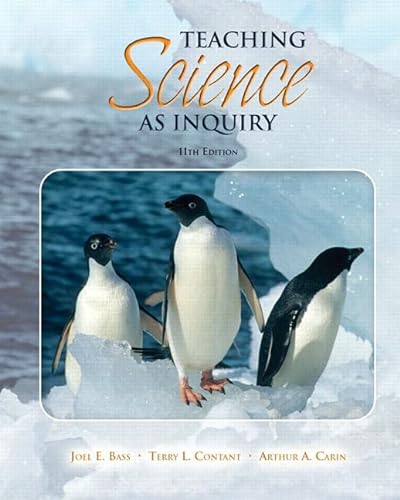
Synopsis
Research tells us that an inquiry approach to science teaching motivates and engages every type of student, helping them understand science's relevance to their lives, as well as the nature of science itself. Teaching Science as Inquiry demonstrates a manageable way for new and experienced teachers to bring inquiry successfully into the science classroom through a 2-part structure: Methods for Teaching Science as Inquiry and Activities for Teaching Science as Inquiry. The Methods portion scaffolds concepts and illustrates instructional models to help readers understand the inquiry approach to teaching. The Activities portion follows the 5-E model (Engage, Explore, Explain, Elaborate, Evaluate), a Learning Cycle model introduced in the methods chapters that reflects the NSES Science as Inquiry Standards.
With a new theme of "accountable inquiry," this leading methods text has a renewed focus on assessment (focusing on backwards planning, aligning objectives with assessments, and how to develop understanding of concepts that appear on standardized tests throughout the process of inquiry).
Les informations fournies dans la section « Synopsis » peuvent faire référence à une autre édition de ce titre.
Quatrième de couverture
Research tells us that an inquiry approach to science teaching motivates and engages every type of student, helping students understand science's relevance to their lives as well as the nature of science itself. But is there a Manageable way for new and experienced teachers to bring inquiry into their science classrooms?
Teaching Science as Inquiry models this effective approach to science teaching with a two-part structure: Methods for Teaching Science as Inquiry and Activities for Teaching Science as Inquiry. The Methods portion scaffolds concepts and illustrates instructional models to help readers understand the inquiry approach to teaching. The Activities portion follows the 5-E model (Engage, Explore, Explain, Elaborate, Evaluate), which is a Learning Cycle model introduced in the methods chapters that reflects the NSES Science as Inquiry Standards.
Integrating an inquiry approach, science content, teaching methods, standards, and a bank of inquiry activities, Teaching Science as Inquiry demonstrates the manageable way for new and experienced teachers to bring inquiry into the science classroom.
- Integrated standards coverage in all chapters provides a clear picture of the best ways to let the NSES Standards inform instruction.
- Each activity is keyed to the NSES Standards, further developing new and experienced teachers' fluency with a standards-based science classroom.
- Margin notes throughout methods chapters link readers to activities that model science teaching methods and the development of science content.
- Annenberg videos, fully integrated in the text through reflective cases, ground chapter concepts by illustrating inquiry teaching in classrooms.
Présentation de l'éditeur
Research tells us that an inquiry approach to science teaching motivates and engages every type of student, helping them understand science's relevance to their lives, as well as the nature of science itself. Teaching Science as Inquiry demonstrates a manageable way for new and experienced teachers to bring inquiry successfully into the science classroom through a 2-part structure: Methods for Teaching Science as Inquiry and Activities for Teaching Science as Inquiry. The Methods portion scaffolds concepts and illustrates instructional models to help readers understand the inquiry approach to teaching. The Activities portion follows the 5-E model (Engage, Explore, Explain, Elaborate, Evaluate), a Learning Cycle model introduced in the methods chapters that reflects the NSES Science as Inquiry Standards.
With a new theme of "accountable inquiry," this leading methods text has a renewed focus on assessment (focusing on backwards planning, aligning objectives with assessments, and how to develop understanding of concepts that appear on standardized tests throughout the process of inquiry).
Les informations fournies dans la section « A propos du livre » peuvent faire référence à une autre édition de ce titre.
Résultats de recherche pour Teaching Science as Inquiry

Image fournie par le vendeur
Teaching Science as Inquiry
Edité par
Pearson, 2008
ISBN 10 : 0138143749
ISBN 13 : 9780138143749
Ancien ou d'occasion
Couverture souple
Vendeur : -OnTimeBooks-, Phoenix, AZ, Etats-Unis
Évaluation du vendeur 5 sur 5 étoiles

Etat : very_good. Gently read. May have name of previous ownership, or ex-library edition. Binding tight; spine straight and smooth, with no creasing; covers clean and crisp. Minimal signs of handling or shelving. 100% GUARANTEE! Shipped with delivery confirmation, if you're not satisfied with purchase please return item! Ships USPS Media Mail. N° de réf. du vendeur OTV.0138143749.VG
Acheter D'occasion
EUR 26,24
Livraison gratuite
Expédition nationale : Etats-Unis
Expédition nationale : Etats-Unis
Quantité disponible : 1 disponible(s)