
Articles liés à The Papers of George Washington: 1 April-30 September...
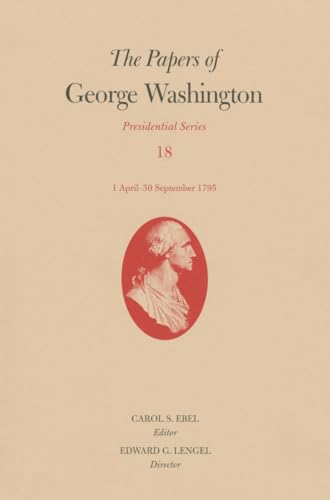
Synopsis
International issues occupy much of Washington's attention in volume 18 of the Presidential Series, which covers 1 April through 30 September 1795. Peace agreements were made with Morocco in August and with Algiers in September. Thomas Pinckney traveled to Spain to renew negotiations over use of the Mississippi River. The fall of the Netherlands to France and the creation of the pro-French Batavian Republic there raised concerns about American finances in Europe. Washington also contended with new violations of American neutrality by British naval commanders. Washington's biggest worries concerned ratification of the 1794 Treaty of Amity, Commerce, and Navigation with Great Britain (the Jay Treaty). The Senate approved the treaty under condition that Article XII, which addressed trade with the British West Indies, be renegotiated. As Washington considered whether to ratify the document, the revelation of treaty terms in various publications sparked public outrage and a wave of anti-treaty meetings and letters. While acknowledging that the terms were not ideal, Washington felt that the treaty served U.S. interests in the balance and approved the agreement. Domestic concerns also demanded Washington's attention. John Jay stepped down as chief justice of the U.S. Supreme Court to become governor of New York, and David Rittenhouse resigned as director of the U.S. Mint. Secretary of State Edmund Randolph resigned in August after it was discovered that he and the French minister had engaged in private dealings that appeared to compromise Washington's administration. Just a few days after Randolph left office, Attorney General William Bradford died. Echoes of the 1794 whiskey insurrection in western Pennsylvania continued as petitioners asked Washington to pardon two men--John Mitchell and Philip Vigol (Weigle)--convicted of treason. He eventually did. In Indian affairs, Washington oversaw instructions to Gen. Anthony Wayne that culminated in the Treaty of Greenville with the northwest Indians. He also agreed to the negotiation of a new treaty between Georgia and the Creek Indians, which would come to fruition in 1796. Chickasaw and Choctaw chiefs visited Washington in Philadelphia during July and August. During these six months, Washington kept track of his private economic concerns and supplemented three visits to Mount Vernon with meticulous letters to farm manager William Pearce. Both personal and diplomatic concerns shaped Washington's response to the arrival in the United States of George Washington Motier Lafayette, son of the Marquis de Lafayette.
Les informations fournies dans la section « Synopsis » peuvent faire référence à une autre édition de ce titre.
Résultats de recherche pour The Papers of George Washington: 1 April-30 September...

Image d'archives
The Papers of George Washington: Presidential Series, Volume 18: 1 April-30 September 1795
Edité par
University of Virginia Press, 2015
ISBN 10 : 0813936454
ISBN 13 : 9780813936451
Neuf
Couverture rigide
Vendeur : Asano Bookshop, Nagoya, AICHI, Japon
Évaluation du vendeur 4 sur 5 étoiles

Etat : Brand New. N° de réf. du vendeur b41732
Acheter neuf
EUR 87,34
Expédition à EUR 33,03
Expédition depuis Japon vers Etats-Unis
Expédition depuis Japon vers Etats-Unis
Quantité disponible : 1 disponible(s)
Image d'archives
The Papers of George Washington: Presidential Series, Volume 18: 1 April-30 September 1795
Edité par
University of Virginia Press, 2015
ISBN 10 : 0813936454
ISBN 13 : 9780813936451
Neuf
Couverture rigide
Vendeur : Asano Bookshop, Nagoya, AICHI, Japon
Évaluation du vendeur 4 sur 5 étoiles
Etat : Brand New. N° de réf. du vendeur b13629
Acheter neuf
EUR 87,34
Expédition à EUR 33,03
Expédition depuis Japon vers Etats-Unis
Expédition depuis Japon vers Etats-Unis
Quantité disponible : 1 disponible(s)
Image d'archives
The Papers of George Washington: Presidential Series, Volume 18 (Hardcover)
Edité par
University of Virginia Press, Charlottesville, 2015
ISBN 10 : 0813936454
ISBN 13 : 9780813936451
Neuf
Couverture rigide
Vendeur : Grand Eagle Retail, Bensenville, IL, Etats-Unis
Évaluation du vendeur 5 sur 5 étoiles

Hardcover. Etat : new. Hardcover. International issues occupy much of Washington's attention in Volume 18 of the Presidential Series, which covers 1 April through 30 September 1795. Peace agreements were made with Morocco in August and with Algiers in September. Thomas Pinckney traveled to Spain to renew negotiations over use of the Mississippi River. The fall of the Netherlands to France and the creation of the pro-French Batavian Republic there raised concerns about American finances in Europe. Washington also contended with new violations of American neutrality by British naval commanders. Washington's biggest worries concerned ratification of the 1794 Treaty of Amity, Commerce, and Navigation with Great Britain (the Jay Treaty). The Senate approved the treaty under condition that Article XII, which addressed trade with the British West Indies, be renegotiated. As Washington considered whether to ratify the document, the revelation of treaty terms in various publications sparked public outrage and a wave of anti-treaty meetings and letters. While acknowledging that the terms were not ideal, Washington felt that the treaty served U.S. interests in the balance and approved the agreement. Domestic concerns also demanded Washington's attention. John Jay stepped down as chief justice of the U.S. Supreme Court to become governor of New York, and David Rittenhouse resigned as director of the U.S. Mint. Secretary of State Edmund Randolph resigned in August after it was discovered that he and the French minister had engaged in private dealings that appeared to compromise Washington's administration. Just a few days after Randolph left office, Attorney General William Bradford died. Echoes of the 1794 whiskey insurrection in western Pennsylvania continued as petitioners asked Washington to pardon two menJohn Mitchell and Philip Vigol (Weigle)convicted of treason. He eventually did. In Indian affairs, Washington oversaw instructions to Gen. Anthony Wayne that culminated in the Treaty of Greenville with the northwest Indians. He also agreed to the negotiation of a new treaty between Georgia and the Creek Indians, which would come to fruition in 1796. Chickasaw and Choctaw chiefs visited Washington in Philadelphia during July and August. During these six months, Washington kept track of his private economic concerns and supplemented three visits to Mount Vernon with meticulous letters to farm manager William Pearce. Both personal and diplomatic concerns shaped Washingtons response to the arrival in the United States of George Washington Motier Lafayette, son of the Marquis de Lafayette. Both personal and diplomatic concerns shaped Washington's response to the arrival in the United States of George Washington Motier Lafayette, son of the Marquis de Lafayette. Shipping may be from multiple locations in the US or from the UK, depending on stock availability. N° de réf. du vendeur 9780813936451
Acheter neuf
EUR 150,21
Livraison gratuite
Expédition nationale : Etats-Unis
Expédition nationale : Etats-Unis
Quantité disponible : 1 disponible(s)
Image d'archives
The Papers of George Washington: 1 April-30 September 1795 (Presidential Series)
Edité par
University of Virginia Press, 2015
ISBN 10 : 0813936454
ISBN 13 : 9780813936451
Neuf
Couverture rigide
Vendeur : Kennys Bookshop and Art Galleries Ltd., Galway, GY, Irlande
Évaluation du vendeur 5 sur 5 étoiles
Etat : New. Editor(s): Ebel, Carol S. Series: Presidential Series. Num Pages: 848 pages, black & white illustrations, maps. BIC Classification: JPHL; JPS. Category: (G) General (US: Trade). Dimension: 235 x 155 x 56. Weight in Grams: 1383. . 2015. Hardcover. . . . . N° de réf. du vendeur V9780813936451
Acheter neuf
EUR 162,59
Expédition à EUR 9,50
Expédition depuis Irlande vers Etats-Unis
Expédition depuis Irlande vers Etats-Unis
Quantité disponible : Plus de 20 disponibles
Image fournie par le vendeur
PAPERS OF GEORGE WASHINGTON 18
Edité par
UNIV OF VIRGINIA PR, 2015
ISBN 10 : 0813936454
ISBN 13 : 9780813936451
Neuf
Couverture rigide
Vendeur : moluna, Greven, Allemagne
Évaluation du vendeur 5 sur 5 étoiles
Etat : New. KlappentextrnrnInternational issues occupy much of Washington s attention in Volume 18 of the Presidential Series, which covers 1 April to 30 September 1795. Peace agreements were made with Morocco in August and with Algiers in September. Thomas. N° de réf. du vendeur 595044190
Acheter neuf
EUR 139,31
Expédition à EUR 48,99
Expédition depuis Allemagne vers Etats-Unis
Expédition depuis Allemagne vers Etats-Unis
Quantité disponible : Plus de 20 disponibles
Image d'archives
The Papers of George Washington: Presidential Se 1 April30 September 1795
Edité par
Univ of Virginia Pr, 2015
ISBN 10 : 0813936454
ISBN 13 : 9780813936451
Neuf
Couverture rigide
Vendeur : Revaluation Books, Exeter, Royaume-Uni
Évaluation du vendeur 5 sur 5 étoiles
Hardcover. Etat : Brand New. 853 pages. 9.50x6.75x2.00 inches. In Stock. N° de réf. du vendeur x-0813936454
Acheter neuf
EUR 194,40
Expédition à EUR 14,93
Expédition depuis Royaume-Uni vers Etats-Unis
Expédition depuis Royaume-Uni vers Etats-Unis
Quantité disponible : 2 disponible(s)
Image d'archives
The Papers of George Washington: 1 April-30 September 1795 (Presidential Series)
Edité par
University of Virginia Press, 2015
ISBN 10 : 0813936454
ISBN 13 : 9780813936451
Neuf
Couverture rigide
Vendeur : Kennys Bookstore, Olney, MD, Etats-Unis
Évaluation du vendeur 5 sur 5 étoiles
Etat : New. Editor(s): Ebel, Carol S. Series: Presidential Series. Num Pages: 848 pages, black & white illustrations, maps. BIC Classification: JPHL; JPS. Category: (G) General (US: Trade). Dimension: 235 x 155 x 56. Weight in Grams: 1383. . 2015. Hardcover. . . . . Books ship from the US and Ireland. N° de réf. du vendeur V9780813936451
Acheter neuf
EUR 209,89
Expédition à EUR 9,37
Expédition nationale : Etats-Unis
Expédition nationale : Etats-Unis
Quantité disponible : Plus de 20 disponibles
Image fournie par le vendeur
The Papers of George Washington: Presidential Series, Volume 18 : 1 April-30 September 1795
Edité par
University Of Virginia Press Jun 2015, 2015
ISBN 10 : 0813936454
ISBN 13 : 9780813936451
Neuf
Couverture rigide
Vendeur : AHA-BUCH GmbH, Einbeck, Allemagne
Évaluation du vendeur 5 sur 5 étoiles
Buch. Etat : Neu. Neuware - International issues occupy much of Washington's attention in Volume 18 of the Presidential Series, which covers 1 April to 30 September 1795. Peace agreements were made with Morocco in August and with Algiers in September. Thomas Pinckney traveled to Spain to renew negotiations over use of the Mississippi River. Washington also contended with new violations of American neutrality by British naval commanders. N° de réf. du vendeur 9780813936451
Acheter neuf
EUR 186,80
Expédition à EUR 44,81
Expédition depuis Allemagne vers Etats-Unis
Expédition depuis Allemagne vers Etats-Unis
Quantité disponible : 2 disponible(s)