
Articles liés à The Life Plan: How Any Man Can Achieve Lasting Health,...
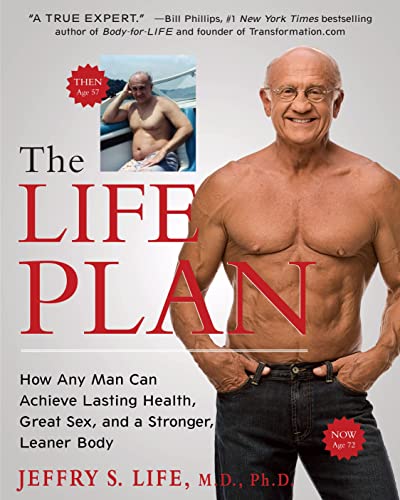
The Life Plan: How Any Man Can Achieve Lasting Health, Great Sex, and a Stronger, Leaner Body - Couverture rigide
Synopsis
This guy is for real— And he knows that it’s never too late to transform your body
It’s very likely that you have seen Dr. Jeffry Life before. And if you have, you might have thought, How can this seventy-two-year-old doctor have the body of a thirty-year-old? But his photos are very real, and you can look just as good as he does when you take control of your health.
Back in 1998, Dr. Life was sixty years old and a stereotype of the aging man: he was overweight with a noticeable gut and little muscle tone. Even though his own medical practice was thriving, and he thought he knew everything about men’s health, the facts proved differently. His libido was low, which was ruining his self-esteem. He felt tired all the time, yet no amount of sleep made him feel well rested. It wasn’t until a cardiologist read him the riot act that he even considered that change was possible. He then decided to make critical adjustments to his diet and lifestyle, and the results have been nothing short of astounding.
More than a decade later, Dr. Life continues to look and feel younger than ever. He knows that if he can make these changes to his body, his sex life, and his health, any man can. In this revolutionary book, he’ll show how you can turn around yourhealth by using the very same program he success-fully created and follows to this day.
The Life Plan introduces a healthy aging lifestyle that any man can master, no matter what shape he may be in. It offers:
• An action-packed exercise program designed to make working out entertaining as well as improve heart health and increase muscle mass. His program taps into various disciplines—cardio workouts, resistance training, balance and core conditioning, martial arts, and Pilates.
• An easy diet, featuring delicious choices, that any man can follow, along with rules for eating out and sample recipes for the single or married guy.
• A simple nutrient supplement regimen highlighting the top supplements men may need to halt, and even reverse, the aging process.
• A prudent guide to male hormone replacement therapies based on the most up-to-date research.
• Lessons on how to get your doctor to provide the care you deserve.
• How to sidestep America’s disease-based approach to medicine and fuel optimal health.
• And much more.
By following this program you can once again enjoy an active, clear-headed, sexually satisfying, vigorous, and health-filled life, while avoiding late-onset diabetes, heart disease, and other common illnesses and complaints of aging. For men seeking to make over their bodies and turn back the clock, The Life Plan delivers the keys to a fitter body, a stronger immune system, and a richer, fuller life.
Les informations fournies dans la section « Synopsis » peuvent faire référence à une autre édition de ce titre.
À propos de l'auteur
Jeffry S. Life, M.D., Ph.D., is the bestselling author of The Life Plan and Mastering the Life Plan. At a vibrant seventy-five years old, he is in great shape, still practicing medicine, and at the top of the healthy aging field. In 2012 Men’s Fitness magazine chose him as one of the top twenty-five fittest men in the world. He has been featured in The New York Times, Los Angeles Times, and Esquire magazine, as well as national TV shows, including The Doctors, Steve Harvey, and The Dr. Phil Show. His private practice is located in Las Vegas, Nevada, where he lives. His website is DrLife.com.
Extrait. © Reproduit sur autorisation. Tous droits réservés.
Introduction
Most men, including myself, define themselves in two distinct ways: by what we do for a living and by how things are going in bed. If either one goes awry, we instantly feel less “manly.” That’s true whether you’re 25 or 80. We need to know that we can still compete, that we are still in the game, and that there’s much more to look forward to even as we approach or pass midlife.
Yet men don’t realize that both of these barometers are directly connected to their health. When we feel healthy, vibrant, and young, we excel in the workplace and can keep up with our sexual instincts. But when our health begins to decline, everything about life suffers. That’s why I recommend a proactive approach to health, which is exactly what age management medicine is all about. Sitting back, not taking control of your health, and simply accepting the status quo is a guarantee that you’ll age faster and be at much greater risk for disease. Healthy aging begins by taking care of yourself now, so that you don’t pay for it later when chronic disease rears its ugly head and “surprises” you. Take it from me: When I was in my 20s and 30s, I was already developing heart disease without even knowing it. And by the time I woke up to this realization, I had wasted many decades of good health and had to work very hard to get it back.
My Story
Regardless of whether I’m speaking with the media or a new patient, the first questions anyone ever asks me are always: “Are your photos real?” “How did this happen? How did you turn a 50-something potbellied body into a healthy, 30-something physique?” I’m not offended or embarrassed: With our programmed view of aging—and our overexposure to airbrushed tabloid photos—it’s easy to understand the doubt. A 72-year-old with a strong physique, low body fat, lots of lean muscle mass, and optimized health goes entirely against conventional thinking.
I’m also not embarrassed to say that I could have easily continued my life the way it was and completely missed the boat to great health. And that’s why my story is so important for every man to hear, because I was you, and I know how to change the way you age because I have done it and am continuing to do it today.
In 1994, I was going through a divorce and had reached an all-time low in terms of my self-esteem, mood, level of fitness, and appearance. I had been working in my family medical practice for 16 years, treating people of all ages from all walks of life. Even though my business was thriving, I had really lost enthusiasm for my work. I was living under a dark cloud, but there was a silver lining. In December of that year I met the love of my life, Annie. Over the next few years Annie and I were together constantly. I was happy most of the time, yet I continued to struggle with poor self-esteem, lousy fitness, and excess body fat.
Then in 1998, I came to the frightening realization that I looked and felt like an old man. My joints and muscles ached, I had shortness of breath whenever I climbed just one flight of stairs, my clothes were tight, and my stomach was huge. My LDL (bad cholesterol) scores were sky-high, my HDL (good cholesterol) numbers were rock bottom, and I was well on my way to becoming a full-blown type 2 diabetic. At 59 years old I was already a senior citizen with a pot belly, fatigue, sluggish thinking, out-of-control blood sugar, and undiagnosed heart disease. My self-esteem had never been lower and my waist never bigger. I, like most men my age, had devoted my time and energy to my career and family, which meant putting myself dead last.
On top of all this, my sex life was in trouble. My interest in sex was almost nonexistent. I suffered from erectile dysfunction, which, coupled with my low self-esteem, led to a daily battle with anxiety and depression. The irony, of course, was that I am a physician certified in family medicine who should know about staying fit and eating right. But that’s exactly what the issue was: I didn’t know. Like most in my profession, I had no nutritional or exercise training, and I knew nothing about the importance of hormone therapies and their relationship to healthy aging. As a result, I had become just another middle-aged man, the byproduct of conventional medical thinking and a disease-oriented approach to health—trained to ignore the hope that my life could get better instead of worse as I got older.
Then, one day, I took a long, hard look in the mirror. What I saw made me realize if I didn’t begin focusing on my own health, there would be no future. I knew I had to change my life drastically if I was going to maintain an active relationship with my kids, grandkids, and my beautiful girlfriend (now wife), who was almost 20 years younger than me.
Around that same time, someone had given me an issue of Muscle Media, a magazine written and published by Bill Phillips, owner of EAS Corporation. I took it home that night and read it cover to cover. I signed up that night for a lifetime subscription.
Soon after that, I ran into Pat Graham, an old nursing colleague from the emergency department where I had worked a couple of years before. Pat looked great: She had lost several pounds and was super fit. I asked her how she had been able to achieve her new physique, and she told me about her personal trainer, Ernie. Ernie owned a gym not far from me, so I decided to go check him out. When I walked into his gym I was met by a 50-year-old muscular Marine-looking guy behind the counter. I told him that he had been recommended to me as a guy who could really help me get in shape. He looked me up and down and said, “I don’t know, old man. That looks like quite a challenge.”
This was the beginning of a love-hate relationship between me and a Navy SEAL who had fought two tours of duty in Vietnam, then incorporated all he learned into physical fitness training. One month into his balls-to-the-wall program I read about the first winners of the 1997 Body-for-LIFE contest. I looked at the before-and-after pictures and thought to myself, These people can’t be for real. I was amazed at the way so many people had transformed themselves, over such a short period of time, from being fat and out of shape to being fit and lean. If those contestants could transform their bodies, maybe I could, too. I showed the pictures to Annie, and she immediately said I should enter the 1998 contest.
I raced to have my “before” pictures taken, then hired Keith Klein, a bodybuilder/nutritionist from Texas, and I started my pursuit of Bill Phillips’s challenge. I told Ernie what I wanted to do and he said, “Okay, old man, but we better step up your program.” I had just 19 weeks to make a significant change in every aspect of my life. Instead of drinking often and eating poorly, I put myself on a low-glycemic/low-fat diet, took supplements, stayed away from alcohol, and plunged into an exercise program.
Quite honestly, the first few weeks were pretty rough: I felt sore and beat up most of the time. I had been training three times a week with Ernie, and now we increased the schedule to five times a week. He said, “Old man, I doubt that you are going to be able to train as hard as you need to win this contest, but we are going to go for it.” So five mornings a week, I would get up at 4:00 A.M. and drive to Ernie’s gym. I had to train very early in the morning so I could make it to my office by nine o’clock. Ernie pushed me to limits I had never dreamed possible. He lived by the “no-pain-no-gain” principle. He taught me how to lift weights, how to build muscle and strength, how to eat clean, and how to lose body fat. More important, he helped me reach down deep into myself and maximize every last bit of my potential. He gave me the desire to set goals as high as possible and gave me the tools to reach those goals in small, precise steps. Ernie changed the way I think about myself.
Gradually I began to see real results. My LDL (bad cholesterol) went from 164 down to 80, and I started feeling better and stronger. What’s more, I could see the change in my physique. I was beginning to like the guy in the mirror. I also became extremely interested in nutrition and, thanks to a suggestion from a nutritionist at my office, I checked out a master’s degree in sports nutrition at Marywood University in Scranton, Pennsylvania. Not long after, I was accepted into the program and started classes with the 20-year-olds while continuing to practice family medicine full-time and preparing for the Body-for-LIFE challenge.
By the end of 1998, at age 60, I had my after pictures taken and then submitted an essay about how the Body-for-LIFE program had helped me. A week or so later, Bill Phillips’s mother called me and told me I was one of the finalists in my age category. Then, on Monday, December 7, I got a call from Porter Freeman, the 1997 winner in my age category and the new director of the program. Porter immediately asked me, “What would you do, Dr. Life, if you were the winner?” I thought he was just jerking me around until he told me the real news: I was the winner.
I hung up and still didn’t believe it. I sat there for a few minutes, and then suddenly the phone rang. It was Amy, Bill’s assistant. She said, “I am calling you so I can make arrangements for you to fly out to Denver.”
After just 19 weeks of eating and training right, I had become a Grand Champion in Bill Phillips’s 1998 Body-for-LIFE contest. The sense of accomplishment was overwhelming. Bill knew I had gone back to school to study nutrition and exercise science, and he came up to me during the awards dinner and asked me to be a contributing writer for Muscle Media magazine. I wrote a monthly column titled Ask Dr. Life, which I happily did for the next four years. This marked the beginning of my writing career.
After winning the Body-for-LIFE contest I immediately started incorporating my new lifestyle into my medical practice. Previously, I had doctored my patients the same way most physicians did: Almost all the care I provided centered on treating existing disease. But once I realized how much better I felt when I took a proactive approach, I began to change my focus to disease prevention and attempted to get my patients to start improving their health through better eating and exercise. It was truly an uphill battle, but I persevered. My patient population was typical of most Americans: They just did not want to do much in terms of improving their health and well-being.
I continued to train consistently and ate pretty clean. But a few years later, I began to notice that I was losing ground—gaining abdominal fat and losing muscle mass as well as strength, plus my energy and sexual function were also taking a hit. It was frustrating, to say the least. I knew I had a predisposition toward diabetes and heart disease because of my family history, but my regimen hadn’t changed: I was training as hard as ever with Ernie, but not seeing the same results. I was actually getting worse.
I realized that everything was becoming more difficult, whether it was getting up and practicing medicine, going to the gym, or making love with my wife. Then, in 2003, I came across a brochure for a medical meeting in Las Vegas regarding the role nutrition plays in preventing disease. The sponsor of the meeting was Barry Sears of Zone Diet fame. I signed up and headed out to Las Vegas. I met several Cenegenics Medical Institute doctors, as well as Dr. Alan Mintz and John Adams, the founders of this national medical practice. I learned then that they promoted an exercise and nutrition program in combination with correcting hormonal deficiencies, an entirely new concept for me. I signed up that day for the Cenegenics physician training program in age management medicine. The soonest opening available was going to be in August.
I went back to Pennsylvania and began wondering about my own hormone levels. I decided to get my levels checked at my local lab and learned I had major deficiencies in testosterone, DHEA, and growth hormone. That explained my losing muscle mass, strength, and endurance—and why I also was accumulating body fat and battling low energy levels, sluggish thinking, and even depression. I knew I had been getting viral infections more often, but guessed it was due to the fact that as a doctor I was constantly exposed to illnesses. But in reality, my immune system had significantly declined. The diminished hormones also explained the other major wall I had hit: a decrease in sexual function.
Enough was enough. I called John Adams and asked if there was any way I could start my age management program before I came out in August for my training. John was able to find a specialist to work with me. I became a patient of Cenegenics in June 2003.
Two months later, when I flew to Las Vegas to meet with John and Alan and begin my professional Cenegenics training, I had already noticed profound changes in my physique and energy levels. My physician had corrected my hormone deficiencies and had me continue a low-glycemic/low-fat nutrition program, the right exercise, and key supplements. I went from exhausted to exhilarated as I started getting my strength back. Once again I was losing body fat and gaining clarity in my thinking, and my sexual function came back as well. Cenegenics had helped me regain what Bill Phillips had given me—and what aging was taking away from me.
John, Alan, and the staff were very impressed with me and what I had accomplished. On day two of my training, they offered me a job. In January 2004, I became a Senior Institute Physician for Cenegenics and moved out to Las Vegas.
Six years after I won the Body-for-LIFE contest, I decided to get some pictures taken of myself without a shirt to show my patients I still was living the lifestyle I was preaching. In late 2005, a freelance writer was doing a story for GQ magazine on Cenegenics. When he was interviewing me, he noticed my picture on the wall and asked if he could use it in the article.
In early 2006, the article came out in GQ, and I was inundated by hundreds of phone calls. Not long after that, the Cenegenics marketing firm thought it would be a good idea to use my picture in one of its ads. Later my wife, Annie, got the idea of placing it in US Airways magazine to help me promote my own practice at Cenegenics. This proved to be a very successful marketing strategy. To this day Cenegenics continues to use my image in the majority of its marketing materials and campaigns.
It has now been 13 years since I began this journey. What’s so exciting to me is that not only do I feel great, I’ve been able to actually improve my physique over the years. I have been able to stay lean, reduce my cholesterol levels, reduce internal or “silent” inflammation, reduce blood sugar levels, and avoid diabetes. I have stopped the progression of heart disease that started when I was in my 20s. I have mental focus, clarity, and sharpness like I never had before. I am more productive and creative than ever, and I’m stronger and have more muscle mass than ever. At 72, I love being married to Annie, building my medical practice and website, writing my book, training for my black belt in martial arts, riding my Harley, playing with my grandkids, and learning more about exercise, nutrition, and preventive medicine. I love being energetic, lean, fit, and muscular. I love training with people half my age and continuing my education surrounded by 20-year-olds. In the summer of 2013, I will have earned my executive MBA degree from Auburn University.
My cardiologist and I both strongly believe that had I not entered into this journey back in 1998, I would not be here today. For that reason alone, my mission is to share this new paradigm with as many people as possible. Helping men take charge of their health and work proactively toward their goals, not to mention witnessing their own transformations, is hugely satisfying both personally and professionally.
Now it’s your turn. I have taken everything I’ve learned on this journey and put it into this book so you can begin yours.
What Aging Really Means
To me, the very word “aging” conjures up certain images: an old man who has no sex life, no physical energy, a flabby body, no muscle tone, weakness, slowed thinking, fragile bones, stooped posture, debilitating disease, hospital stays, nursing homes—basically, an end to life. You might already be experiencing some of these signs and symptoms. Your doctor may notice them as well, but is probably writing them off as “typical aging.” Stop right there. You don’t have to accept that aging is synonymous with declining health, or that becoming a shadow of your former self is a reluctant rite of passage. I’m here to tell you that as you age, you don’t have to get old. Instead, you can get better. Don’t just take my word for it: Study after study shows that the right lifestyle interventions can eliminate, prevent, delay, or even reverse aging and age-related diseases. But you have to know the rules and the secrets of healthy living. That’s what this book is all about.
I was once taking a walk with my then 70-year-old father, who had retired to Florida. He was just poking along and finally said, “Jeff, you’ve got to slow down.” It surprised me because I was walking at a leisurely pace. He would become short of breath—and not because of a heart condition or obesity, but because he was deconditioned. He actually thought that deconditioning was an inevitable part of the aging process, so he reluctantly accepted it.
Even then I realized I couldn’t accept aging if that was what it meant for me. My dad never got his heart rate up above 80: Exercise just wasn’t part of his life. No wonder his body was stiff and slowing down to where he couldn’t even enjoy a casual walk.
In all fairness, his attitude was typical of his generation. Exercise, for all intents and purposes, was to be avoided. Retirement was all about not working, and this meant doing next to nothing. When my father retired at 65, he sat in his La-Z-Boy most of the day. He may have lived to his 80s, but certainly not with the quality of life he could have had.
Studies over the past decade have shown that the “old man” excuses are way off. We may inherit genetic potential, but we definitely don’t inherit genetic certainty. Lifestyle changes—like the ones I’ll share with you—can dramatically reduce your mortality risk and slow your aging process. You can get better as you get older. I turned 72 in 2010, but my body looks and feels much younger. My energy levels are every bit as good as when I was in my 30s and are actually, in many ways, better. I’m not telling you this to brag, I’m telling you this to get you to change the way you think about aging.
Now, I can’t promise you’ll live longer, but you’ll certainly add a lot more life to the days, weeks, and years you have ahead. I want the same thing you do—an energized, active lifestyle even into my golden years, not the restricted shadow of a life my father’s generation blindly accepted. The best part is that I know we can have it. We now have the knowledge and technology to make it happen. I’m living proof that anybody can follow and succeed with this program.
How This Book Works
My reasons for writing this book are many, but topping the list was a desire to help others get out from underneath America’s reactionary approach to medicine—one that negatively affects the aging process—and guide them into a different realm of thinking. What is laid out in this book is a new paradigm, one that defines those later years as robust, embodying the very definition of life: energy, movement, change, adaptation, and growth. It’s the same paradigm that works for me and continues to work for my patients. When you follow this program, you will be able to achieve exceptional health, fitness, and vitality, and will see a significant improvement in your sexual function.
Part One helps you identify what your current health status is so you can get right to work. You’ll learn how to manage the current medical system so you can get the help you need from your current doctor, or learn what type of doctor you should be seeing—one who understands the importance of preventive care. You’ll also jump right into my eating program so you can take your health into your own hands and begin to reverse and eliminate disease right now. This is not your wife’s diet, nor your girlfriend’s. This diet was created by me, specifically for men.
Part Two outlines my unique exercise program, which incorporates every facet of physical fitness, including cardiovascular workouts, resistance training, balance and stretching exercises, and my favorite, the martial arts. No matter what level of fitness you are currently at—even if you haven’t exercised in years—there’s an entry place for you to start, and a clearly outlined level of progression. There are also dozens of photographs so that you can follow the directions and watch me complete the exercises so you can make sure that you are using correct form every time. I’ve also included a method for you to track your progress for the entire Life Plan. Plus, there’s expert advice to keep you motivated and silence that nagging voice inside you that insists you can’t succeed.
Part Three lets me practice medicine my way: sharing the most recent scientific breakthroughs in age management medicine. You’ll learn about the importance of correcting hormone deficiencies, and when it is really necessary. You’ll also learn new ways to increase your hormone levels naturally, without medical intervention. I’ll teach you about my favorite supplement choices and explain in detail why they are necessary for specific health issues. You’ll learn what’s on the horizon: the latest science that has clinically shown that we can actually reverse aging on the cellular level. And you’ll be able to discuss all of this with your doctor so that you can get the healthcare that you deserve.
Join me on this journey, which is supported by hundreds of peer-reviewed scientific studies. You can become your own health advocate, taking charge of your medical needs and creating lifestyle interventions that will work in a program tailored just for you. I know that if you do, you’ll enter a dimension of fitness and well-being you never knew existed. In fact, you should start noticing changes in the first two weeks. All it takes is making up your mind to do it.
It is my hope that this book will help you begin to feel like yourself again. Let’s get started.
© 2011 Jeffry Life, M.D.| CHAPTER 1
Taking Control of Your Health
Every day I witness firsthand how our current medical system creates obstacles that keep men from receiving the best care possible. Instead of preventing disease, traditional medicine can actually interfere with and even delay proper treatment and diagnosis, ultimately lowering the quality of our health. If you let today’s medical system make decisions about your health, you have little or no hope of living a higher-quality life with optimized health and reduced risks for disease. Now more than ever you have to take charge of your own health, become better informed, and act as an advocate for your own well-being. These are the tenets of my kind of medicine: where disease prevention based on a treatment paradigm and sustained quality of life are my primary missions.
We are all going to age, but we don’t have to get old. Getting old means the deterioration of health, declining energy levels, loss of sexual function, and loss of your zest for life. I don’t want any part of that, and I’ll bet you don’t, either.
When I discovered my own hormone levels were deficient, traditional medical professionals, said that andropause, or declining testosterone, is not a disease, so it shouldn’t be treated. They were wrong then, and they’re even more wrong now. When I was losing muscle tissue and strength, conventional doctors once again said to just accept that I was getting older, and basically, just get over it. Well, hundreds of my patients, including myself, are proving them wrong every day.
Aging is not the enemy. It’s not a disease. In fact, by definition, aging is a gradual change in your body that doesn’t result from disease. Disease is the deviation or interruption of the normal function of any part or system of your body. This without doubt includes your endocrine system and the hormones associated with it. Declining hormone levels are the result of a disease process, not aging, and should be treated. In my opinion it’s malpractice for doctors to ignore declining hormone levels and write them off as simply an acceptable part of aging. It’s just like ignoring high cholesterol levels, high blood pressure, or lung disease caused by cigarette smoking.
Each of us has a unique set of inherited predispositions for certain health issues: That’s your DNA code. On top of that, your lifestyle choices contribute to whether these tendencies will materialize. Lifestyle can definitely trump genetics. So instead of accepting a waning sex life or waiting for disease to appear, you can learn how to use my health strategies based on age management medicine to keep your body metabolically and physiologically in balance so you do not get old.
First, let’s figure out why you’re not in optimal health. The answer for many of us has nothing to do with what you are currently doing. Instead, the problem is the machine we call the American Health Care System.
The Insurance Blockade
You might not realize that for most Americans, the quality of the medical care they receive is determined by men and women they will never meet: those who run the insurance companies. These people decide how often your physician sees you, what medications are prescribed, if diagnostic testing that may signal the onset of a silent disease can be ordered, whether you see a specialist, and when you should be admitted into a hospital. Virtually every medical decision a traditional physician makes today is affected by the insurance industry.
Because of this corporate structure, decision making in the practice of medicine has shifted radically from physicians dedicated to your best interest to organizations bound to financial interests. Most doctors aren’t happy with this and find themselves forced into using their medical knowledge and experience for the plan’s benefit and economic goals—rather than doing what’s best for the patient. Medical services have shifted from the hands of the treating physician to administrators, who in many cases aren’t medically trained. Worse, managed care has created an environment in which doctors feel rushed when they see their patients, because more patients per day means more minimum payments from insurers. Their stress becomes your bad service: The patient is left with a ten-minute-or-less office visit with a harried doctor who is focused on managing isolated health problems and dispensing prescriptions. Then, doctors are left to second-guess their findings, which leads you to seek multiple opinions.
Today’s physicians are being placed in an uncomfortable position by insurers, which can jeopardize the care they provide to their own patients. Aside from managing your health, your doctor has to control his own costs: This affects his or her decisions about choosing specific medications, determining necessary lab work, doling out a limited number of referrals to specialists, and more. These decisions can directly affect your provider’s salary. Economic rationales have now replaced clinical judgment.
According to a study published in the Commonwealth Fund Quarterly, A Digest of Current Work in Health Policy and Practice, 56 percent of primary care doctors and 60 percent of specialists in the United States believe their ability to provide quality healthcare has deteriorated over the past ten years. Medicare continues to institute cutbacks for medical services. If all of this isn’t bad enough, the number of primary care providers, understandably, has continued to decline year after year. The doctor shortage has reached a catastrophic crisis. Underserved areas in this country currently need almost 17,000 new primary care physicians even before Healthcare Reform is implemented. Our new Healthcare Reform will attempt to reach 30 million new patients needing care.
Worst of all, your healthcare is not keeping up with science. We have just ended a century of unprecedented advances in medical knowledge and technology. Serious medical conditions that were once considered disabling or a death sentence are now curable. Most devastating disease conditions in existence today are now manageable. Yet in spite of all the amazing medical advances in recent years, there exists a great paradox in healthcare today—we simply cannot afford them! The economics of today’s healthcare has made all of the advances in medical science less and less available—even to those who are willing to pay for them out of pocket. As medical costs continue to soar, patients are increasingly being denied coverage for crucial services by their insurance companies. We have the 37th-worst quality of healthcare in the developed world. Conservative estimates show that over 120,000 Americans die each year from treatable, preventable illnesses that citizens of other countries survive. It doesn’t matter whether you are rich, middle class, or poor; insured or uninsured; male or female; young or old. Your health is suffering from the system that is supposed to be managing it.
So what can we do in order to receive the best healthcare possible? The answer is really very simple—don’t get sick! We must do everything possible to avoid disease, maintain excellent health, and not get old. Prevention is the answer to America’s healthcare crisis. We have the right to know our current health status each and every year, which can be done completely only by proactively screening for silent diseases. Today, these tests are discouraged by insurance carriers who state that these medical tests are “unnecessary.” This must change.
The Disease Era Lives On
Nothing the insurance industry can throw at medicine today is worse than the reactionary way doctors are trained to respond to disease. Your physician has to wait for disease to appear and then treat it: a fix-it-when-it’s-broken mentality. You literally have to get sick first and hope protocols exist to make you better. But what you may not realize is that an illness begins a cascade of sickness: Once disease sets in it plays havoc on the rest of your body, creating more and more health issues.
It’s no wonder the National Center for Health Statistics reports that even while Americans are living longer, they are not necessarily healthier. Population studies by Billy S. Guyton, at the University of Mississippi Medical Center, show we have “increased the length of life, but made no progress in decreasing the length of disability at the end of life.” An article in a February 2004 issue of the American Journal of Medicine said it’s time we abandon a disease-focused medical care approach, which “at best, is out of date and, at worst, harmful.”
Meet Richard
A great example of the problem of treating disease instead of preventing it is my patient Richard, a 53-year-old type 2 diabetic who came to my office about a year and a half ago. Richard had a big job, overseeing a large corporation. He was overworked, which left him completely focused on his job and somewhat neglecting his family and his own health. At 5 feet 10 inches and 220 pounds, he already walked and looked like he was in his 60s. He moved slowly and was extremely tired most of the time, and had lost his desire for sex. “I really need help, “he said when he came in. “My doctors aren’t really helping me. They only seem concerned about my diabetes. But the rest of my life is falling apart, and my physicians are only concerned with my insulin and blood sugars.”
His primary care physician and endocrinologist worked on managing his disease—but I took the proactive approach: completely changing his lifestyle with the goal of eliminating his diabetes. First, I had Richard fill out an extensive questionnaire, and then he took a series of blood tests. Then we talked at length about his life and his lifestyle. He told me he was sleeping in the guest room because his wife couldn’t stand his snoring, which would interrupt his sleep and hers, all night long. I quickly realized that beyond the diabetes Richard was also suffering from sleep apnea, which was not diagnosed by his physicians. Before prescribing any medications, I had Richard start my Life Plan, the same one outlined in this book. It consisted of a low-fat/low-glycemic eating plan along with an optimized exercise program that focused on weight training and cardiovascular conditioning. My goal was to get him to shed several pounds and rapidly build muscle mass he had lost over the past 10 to 15 years. Increasing his muscle mass would help improve his metabolism and his ability to control his diabetes. I also wanted to get Richard back into his bedroom, and sleeping with his wife.
Once the blood work came back, I realized I also needed to address his deficient hormone levels and elevated markers of arterial inflammation. I started Richard on a customized nutrition/supplementation and exercise program combined with correction of his hormone deficiencies. The blood test also showed that his diabetes was totally out of control. Hemoglobin A1C is a direct measurement of the amount of sugar that is attached to the hemoglobin molecule and reflects the average blood sugar over a three-month period. Hemoglobin A1Cs in the 6s or above are indicative of diabetes, and his was coming in at 7.3.
Six weeks into the program, Richard came back to my office beaming. He had already lost eight pounds and was on the road to better health. Three months later, his hemoglobin A1C levels dropped to 6. As I continued to fine-tune his hormone levels, improve his nutrition, and increase his exercise regimen, Richard’s hemoglobin A1C levels came down to 5.5, clearly in the safe, nondiabetic range. He was 20 pounds lighter, completely off all medication, and had no evidence of any damage to his kidneys, blood vessels, nervous system, and eyes as a result of his diabetes. Everything had been reversed—including his sex life—and his blood vessels were even healthier, proven by carotid ultrasound and endothelial function studies, and a reduction in his markers of vascular inflammation. In his words, “I feel better than I did in my 30s!”
Had Richard not taken a proactive approach and continued with his insurance-based/disease-focused medical care, his story would have had a totally different ending: poorly controlled blood sugar levels, increased body fat, high probability for shortened life span with the full impact of diabetes over the next 5 to 10 years, including impotence, potential blindness, vascular complications, potential amputations, kidney failure, or a heart attack or stroke.
I can’t fault his primary care physicians, because they were following the standard “treat the disease after it appears” approach. Doctors are paid to treat—not prevent—disease. The insurance industry does not reward your physician for being proactive about preventing disease. As a matter of fact, your physician is penalized if he or she orders tests not backed up with a disease diagnosis.
The Good Ole American Lifestyle
While uninformed doctors and overall healthcare policies can take some of the rap, we are individuals who operate in the real world of free will. If your health is not perfect, you are not completely without fault or blame. We must all learn how to take responsibility for our own health now, so we can maintain a high quality of life as we age.
Every day the lifestyle choices you make—including the types of foods you eat, the time you put aside to exercise, and the types of exercise you choose—are affecting your health right now, and will affect the way you live in the future. If you’re like many Americans, you’ve shifted from being a couch potato to being a mouse potato, immersed in your computer or favorite electronic gadget. The bottom line is you’re still not moving.
Plus, your diet may be filled with processed foods, unhealthy proteins, and simple carbohydrates that accelerate aging and make you old. All of these bad food choices are quickly stored as body fat and arterial plaque, not to mention that they suck the energy right out of you, add weight, and create stroke, diabetes, heart disease, and Alzheimer’s disease. Men need to change their ways right now if they want to prevent the accumulation of body fat (or get rid of it if they already have it).
And you must learn how to prevent or reverse the loss of bone and muscle tissue. This becomes critically important as we age if we are to avoid nursing home care, chronic pain, immobilization, mental deterioration, and prescription drug dependency. By adopting health-promoting policies, you can become part of a more “active” aging population who will have:
-
Fewer premature deaths in highly productive stages of life
-
Fewer disabilities and pain associated with chronic diseases
-
More independence and positive life quality
The time to plan and act is now. Remember, we don’t die of old age. We die because we allow ourselves to get old. I know that making behavioral changes can be challenging for many reasons, including one I often hear about from patients: money. But the fact is it takes far less to prevent disease than it does to treat it. A study published in Diabetes Care, which focused on the costs of a health-promoting diet, indicated that “adopting a diet that more closely follows nutrition recommendations will not increase diet costs.” Americans complain about rising prices, but actually we tend to have one of the lowest-priced food supplies globally—and spend the lowest proportion of disposable income on food.
Introducing Age Management Medicine
Fortunately, there is a new medical specialty that deals specifically and exclusively with all of these issues—age management medicine (AMM). Physicians like me who follow this type of medical practice are dedicated to the science of healthy aging. AMM emphasizes the enhancement of health over the treatment of illness, focusing on disease prevention, wellness, and quality of life. These strategies include the intelligent promotion of healthy key hormone levels combined with individualized exercise and nutritional programs specifically designed to lower body fat, increase muscle tissue and strength, reduce risk factors for illness, improve overall cardiovascular fitness, and find and treat asymptomatic vascular disease. I have been practicing age management medicine since I joined Cenegenics in January 2004, and have never looked back. That’s because as both a doctor and a patient, I know that my patients and I feel better than we ever have before.
I’ve learned through my own experience that we must all change our thinking about aging. Older does not mean sicker. The majority of men already possess a genetic makeup that will allow us to live well beyond age 85. The key is to make the best of the genes we have so we can live better, for longer. By incorporating AMM practices into our daily lives we can reverse illness and reduce the time we are sick. We can’t stop the aging process, but we can definitely manage it. We can avoid premature disability and death. After all, what are the benefits of living longer if we end up in a nursing home, left with a body or brain that doesn’t work?
That’s why I’m so very glad you’ve decided to join me and follow my Life Plan. This book is meant to steer you toward making significant changes to your current behavioral and medical choices. My program is based on the latest science-based protocols that work together with your current lifestyle, making a series of small yet important changes that you can implement right now. As you continue on the program, you will step into new levels of diet and nutrition, as well as new levels of exercise. In many cases, these lifestyle changes will correct any hormone deficiencies you might have by helping you make more of your own hormones. The speed with which you step into this program is entirely up to you, but as you can imagine, the faster you can get to the highest levels of fitness and nutrition, the better the results you’ll achieve.
The Life Plan for Better Health
Step One: Recognize the Signs and Symptoms That Mean “You’re Getting Old”
You may have heard of the medical phrase “signs and symptoms.” While these words sound innocuous, they really are vital signals to watch for. Signs are literally aspects of your health that your doctor can either see with his or her own eyes or pick up with a diagnostic test. Symptoms are negative experiences that cannot be seen or detected except on your own. Both are critically important to your overall health, because they are a warning of premature aging, illness, and potentially early death.
The following quiz will help you determine if you are currently experiencing either signs or symptoms of aging. Circle T for each true response, and F if this issue never occurs. It doesn’t matter what your “score” is at the end of the quiz, because the fix is the same. Even if you have only one “true” response, you may be experiencing a hidden, and often seemingly unrelated illness. For example, erectile dysfunction not only affects your sex life, but could be an early symptom of heart disease. The sooner you can get on the Life Plan and address these issues, the more likely it will be that you can—and should—reverse the damage they have caused.
All of these signs and symptoms should be discussed with your doctor before you begin the program. You’ll learn in Chapter 14 exactly how to have this conversation and what your doctor should be doing for you to address these and other health issues.
SIGNS OF AGING 1. I have gained weight around my midsection (belly fat). T/F 2. I have been told that I have bone loss/osteoporosis. T/F 3. I have been told that I have diabetes and/or insulin resistance. T/F 4. I’m not as strong as I used to be. T/F 5. I’m not as muscular as I used to be. T/F 6. I have gained 10 pounds or more over the past year. T/F 7. I have been told that I have a high LDL cholesterol score. T/F 8. My skin is beginning to sag. T/F 9. I have noticed reduced flexibility or increased stiffness in my joints. T/F 10. I have trouble concentrating, slow recall, and/or foggy thinking. T/F
SYMPTOMS OF AGING 1. I often feel blue or depressed. T/F 2. I feel lethargic midmorning or midafternoon. T/F 3. I often experience an overall feeling of fatigue. T/F 4. I wake up frequently during the night and experience poor sleep. T/F 5. I am not accomplishing as much as I used to at work. T/F 6. I have difficulty with sexual arousal, low libido, less intense orgasm, or poor erections. T/F 7. I am prone to irritability/emotional swings/anxiety. T/F 8. I lack stamina. T/F 9. I have slow recovery time after exercise. T/F 10. I train as hard as I used to, but don’t get the same results. T/F
Step Two: Focus on a Heart-Centered, Healthy Aging Plan
Cardiovascular disease is the leading cause of death in the United States, and more than one in three American men currently have cardiovascular disease. Every 25 seconds an American will have a heart attack; every 40 seconds someone has a stroke; and every minute one of these men will die. The average age for a man to experience his first heart attack is 64.
Atherosclerosis is the cause of blood vessel disease that leads to heart attacks and strokes. It refers to the plaque that grows in the walls of blood vessels. Inflammation is intrinsically connected to all phases of cardiovascular disease. In fact, atherosclerosis can begin in childhood and later lead to a damaged endothelium (the thin, one-cell layer lining the interior of your vascular tree) ultimately creating plaque buildup.
Plaque is not a normal result of aging, and if you have any plaque, you have disease that needs to be aggressively treated. More than 90 percent of heart attack events occur in men with significantly diseased blood vessels at arterial sites undetectable with conventional diagnostics, such as stress testing. Stress tests pick up vascular disease that blocks the lumen of the arteries that feed your heart. It takes at least a 70 percent blockage in one of your coronary arteries to fail a stress test. Eighty-six percent of heart attacks occur with less than a 70 percent blockage. Tim Russert, the former Meet the Press host and NBC Washington bureau chief, is a prime example. He passed his stress test and died two months later of a heart attack caused by cholesterol plaque in the wall of one of his coronary arteries that ruptured into the lumen. He was 58 years old. This happens often because as much as 99 percent of all plaque in the artery is in the wall of the blood vessel and does not block the flow of blood.
Yet most physicians base their therapies for heart attack and stroke prevention on traditional risk-factor identification: monitoring blood pressure, cholesterol, smoking, and diabetes. But improving or eliminating risk factors alone fails to identify many men who have hidden disease. These “surprise” heart attacks and strokes can also be prevented with optimized healthcare, which is a paradigm shift away from the current status quo or standard of care, which frequently misses critical markers that could save your life. But to achieve this optimized care, you and your physician must take the right steps. The bottom line is that you need to identify blood vessel disease as early as possible in order to get the right treatment that will stop its progression.
In order to do this, make sure that your physician looks for early vascular disease and, if discovered, closely monitors your treatment with a comprehensive program that is tailored specifically for you. I have listed in Chapter 14 the testing that I believe is necessary to diagnose subclinical atherosclerosis and avoid a heart attack or stroke. For example, Carotid IntimaMedia Thickness testing (CIMT) is now considered one of the best, least expensive tests to detect subclinical atherosclerosis, which allows your physician to take the right steps to halt its progression or even reverse it.
Most heart attacks and strokes occur when a blood clot forms in an inflamed artery, cutting off the blood supply to the affected heart or brain tissue. Blood clots occur when soft plaque in the wall of the artery ruptures or erodes through the lining (endothelium) of the blood vessel. There are several reliable tests for vascular inflammation that causes plaque rupture or erosion. These nontraditional blood tests are beneficial for determining whether you have blood vessel disease and how far it has progressed. They can predict your risk of a heart attack or stroke and can also be used as markers of treatment success.
Another important cause of heart attacks and strokes that many men overlook is periodontal disease, a chronic infection of the gums. At least 75 percent of men have periodontal disease. Periodontal disease can increase the risk of coronary artery disease in men less than 50 years old by 72 percent. If you have severe periodontal disease you are 3.8 times more likely to have a heart attack and twice as likely to have a stroke. Your dentist can play a major role in keeping you from having a heart attack and stroke: Be sure to see him/her often.
I believe, and the medical literature supports me, that the better care your heart gets—including the right exercise, nutrition, nutraceuticals, and healthy hormone levels—the easier it is to reduce your risk of heart disease and prevent other age-related illnesses, including diabetes, Alzheimer’s, cancer, erectile dysfunction, arthritis, and other inflammatory diseases. The reactionary, traditional approach to healthcare today avoids preventive measures and moves us near the archway of death, then uses highly invasive, highly expensive treatments to pull us back, making us feel “grateful” while heart centers and hospitals reap the fiscal profits.
There are plenty of established, proactive medical protocols that are inexpensive and shown to prevent cardiovascular disease. And yet, are they promoted by cardiologists, the AMA, or health centers? Not sufficiently. As a result, many of us will undergo costly procedures, be prescribed expensive heart medication, and live less-than-desired quality lives. And quite possibly, many of us will go to emergency rooms with chest pain or die suddenly before we get to the hospital.
My proactive approach makes much more sense, since it keeps you disease free for as long as possible. It begins with positive measures, running diagnostics that uncover disease biomarkers so you can take action. And that clearly puts you in a better position to make lifestyle changes, which promote better health and diminish disease risks. Every aspect—nutrition/supplements, exercise, endocrine balance, and mind-body—must work in concert.
Since heart disease is the leading cause of death for men—and is intricately linked to erectile dysfunction—every strategy in this book is designed to help you prevent or reverse cardiovascular disorders and maintain a great sex life. I believe it’s my duty as a physician to present a heart-healthy approach that proactively protects your endothelium. The endothelium forms a dynamic interface between your blood and your body. Endothelial cells secrete substances—like the important messenger molecule, nitric oxide, needed for a number of critical physiological processes—to regulate vital chemical reactions, keep blood moving smoothly, control blood pressure, ensure vascular tone, control inflammatory processes, and prevent oxidation and coagulation.
When not properly cared for, your endothelial cells become dysfunctional and fall prey to numerous disease processes, which cause atherosclerosis, hypertension, inflammatory syndromes, heart attacks, stroke, and dementia. A 2003 Mayo Clinic paper defined endothelial dysfunction as the “ultimate risk” among all the cardiovascular risk factors. If you have any of the conditions/histories listed below, you must start working very hard at improving the health of your endothelium:
-
Family history of heart disease and/or confirmed heart disease, based on carotid ultrasound diagnostics, abnormal stress test, or an elevated calcium score
-
History of elevated LDL levels or low HDL levels
-
Elevated total cholesterol levels
-
Have been diagnosed with Metabolic Syndrome (see page 32)
-
Elevated triglyceride levels
-
Elevated cardio CRP (C Reactive Protein) levels
-
Vascular disease
Take my experience, for example. Thanks to a truly forward-thinking physician, I began undergoing periodic, proactive evaluations and, later, a carotid ultrasound, years before I should have had a heart attack. The normal protocol would have been to wait until I barely survived an emergency room visit. Instead, because of an abnormal carotid ultrasound, I was encouraged to have a 64-slice CT scan and subsequent cardiac catheterization. I learned I had chronic, yet stable heart disease involving my coronary arteries, which probably began back in my 20s. According to my cardiologist, what saved me from advanced disease and an early death was the age management medicine program I had been following for the past seven years: low-glycemic nutrition, supplements, a vital exercise regimen, and correcting my hormone deficiencies.
Further research made me realize that although the low-glycemic nutrition I had been following for years may have been good, it wasn’t enough to fight or reverse heart disease. I immediately changed my whole nutritional approach to a near-vegan-style diet—blending low-glycemic foods with a strong focus on low fat. This more extreme diet approach is probably not necessary if you don’t have heart disease. But if you do, then give serious thought to starting—and staying—on the Heart Health Diet outlined in Chapter 3.
Step Three: Avoid Muscle Loss
The current thinking in the medical literature is that people lose muscle mass and strength as they age—a disease called sarcopenia—and this is unavoidable. That’s right, the experts believe there is nothing you or I can do to avoid losing muscle tissue and strength as we get older. I say this way of thinking is nonsense. Hasn’t anyone out there ever exercised before?
The Life Plan is based on avoiding the loss of muscle tissue and strength as we age. Sarcopenia is a deadly consequence of getting old. It inflicts enormous declines in quality of life and disability on our aging population.
Sarcopenia begins in your 30s. The muscle atrophy and loss—not to mention the devastating aftermath—affect every facet of your life. If you don’t exercise properly, eat right, and correct hormonal deficiencies, loss of muscle will progress at the rate of 3 percent to 5 percent with each decade starting in your 30s and 40s, then increase to 10 percent to 20 percent every decade after that. The average American male can expect to gain approximately one pound of body fat every year between ages 30 to 60 and lose about a half pound of muscle mass each year over the same time frame. At age 60 and onward it gets even worse as the rise in body fat replaces muscle mass. The largest loss of muscle mass occurs between ages 50 and 75, averaging 25 percent to 30 percent.
Aging, degenerating, and dying mitochondria are now thought to play the key role in causing sarcopenia. Mitochondria are microscopic organelles that are found inside our cells, especially muscle cells. They are the principal sites where all of our energy, in the form of ATP (adenosine triphosphate), is generated. You can thank your mom for your mitochondria, because you get them all from her. As your mitochondria age they lose their ability to produce ATP and muscle cells shrivel and die. If dying and degenerating mitochondria could be replaced with new young vibrant mitochondria, muscle and strength loss could be avoided as people age. This is exactly what the Life Plan is all about, especially my focus on exercise and resistance training.
My Life Plan focuses on the perfect combination of nutrition, the right kind of exercise, and healthy hormone levels to help you replace your old dying mitochondria with new wild-type mitochondria—the term scientists use (very appropriate, I might add) for young, healthy mitochondria, no matter what your age is today. This is the “fountain of youth, “in my opinion, and you’ll learn more about it later in this book.
Step Four: Resolve Hormone Deficiencies
Unfortunately, most doctors devote little, if any, time to teaching patients about preventing disease. That’s because most doctors do not know how to incorporate preventive medicine into their own lifestyle, let alone into their medical practice. Despite all the research pointing to the impact lifestyle has on disease prevention, medical schools continue to churn out doctors who know little if anything about how to prevent disease and preserve vitality through appropriate exercise, proper nutrition, and balanced metabolic/endocrine functions.
This is particularly evident when it comes to men’s health. An October 2008 paper on low testosterone and its association with type 2 diabetes reported that androgen deficiency is a clinically underdiagnosed endocrine disorder affecting a “significant number of men in the United States and can affect up to 50 percent of men diagnosed with type 2 diabetes.” Investigators in a 2004 study estimated that low testosterone deficiency affects 13.8 million men. Yet fewer than 10 percent of these men were receiving treatment.
Note
THE LIFE PLAN’S THREE SECRETS FOR HEALTHY AGING
1. Do some form of exercise every day.
2. Make sure that everything you put in your mouth helps you instead of hurts you.
3. Make sure you do not have hormone deficiencies.
An August 2008 study demonstrated that Metabolic Syndrome, which includes obesity (especially abdominal obesity), diabetes, high blood pressure, and cholesterol problems, have a common denominator: testosterone deficiency.
Correcting testosterone deficiencies along with other hormone deficiencies in men can reverse Metabolic Syndrome and greatly improve health in many ways, from improving bone mineral density, sexual function, libido, and body fat composition to reducing risk for heart disease, diabetes, cancer, stroke, and Alzheimer’s disease. An optimal level of testosterone can actually decrease or eliminate erectile dysfunction.
This is particularly important because erectile dysfunction (ED) is a window into your total health. Erectile dysfunction can be an early warning sign of underlying vascular disease and diabetes. Research reveals that many men experience erectile dysfunction four to five years before having a heart attack. Research published in 2009 from the Mayo Clinic shows that men with ED had an 80 percent higher risk for coronary artery disease. You’ll learn more about all of this in Chapter 10. So if you are considering hormone therapies to improve your sex life, know that you are taking care of every aspect of your health at the same time.
However, let me make one thing crystal clear: hormone therapy is not the reason that I look as good as I do. In fact, it is just one integral part of my program. While they certainly help me maintain my muscle mass, it’s really the combination of my diet and exercise program along with this therapy that keeps me looking fit. Together, these three aspects of the Life Plan allow me to feel younger, healthier, and sexy. There is no shortcut to optimal health, so don’t make the mistake of thinking that hormone therapies are the “secret” to big muscles or a better physique.
The Time Is Now
Whether you are 26 or 76 or anywhere in between, it’s not too late to get with the program. Let’s get started on the Life Plan right now, by reevaluating your diet and seeing if there’s room for improvement. You’ve got nothing to lose except the extra pounds that are slowing you down and ruining your quality of life.
© 2011 Jeffry Life, M.D.
Les informations fournies dans la section « A propos du livre » peuvent faire référence à une autre édition de ce titre.
Résultats de recherche pour The Life Plan: How Any Man Can Achieve Lasting Health,...

Image d'archives
The Life Plan: How Any Man Can
Edité par
Atria Books, 2011
ISBN 10 : 1439194580
ISBN 13 : 9781439194584
Ancien ou d'occasion
Couverture rigide
Vendeur : World of Books (was SecondSale), Montgomery, IL, Etats-Unis
Évaluation du vendeur 5 sur 5 étoiles

Etat : Very Good. Item in very good condition! Textbooks may not include supplemental items i.e. CDs, access codes etc. N° de réf. du vendeur 00074526107
Acheter D'occasion
EUR 3,78
Livraison gratuite
Expédition nationale : Etats-Unis
Expédition nationale : Etats-Unis
Quantité disponible : 4 disponible(s)
Image d'archives
The Life Plan How Any Man Can
Edité par
Atria Books, 2011
ISBN 10 : 1439194580
ISBN 13 : 9781439194584
Ancien ou d'occasion
Couverture rigide
Vendeur : World of Books (was SecondSale), Montgomery, IL, Etats-Unis
Évaluation du vendeur 5 sur 5 étoiles
Etat : Very Good. Item in very good condition! Textbooks may not include supplemental items i.e. CDs, access codes etc. N° de réf. du vendeur 00110060585
Acheter D'occasion
EUR 3,86
Livraison gratuite
Expédition nationale : Etats-Unis
Expédition nationale : Etats-Unis
Quantité disponible : 1 disponible(s)
Image d'archives
The Life Plan How Any Man Can
Edité par
Atria Books, 2011
ISBN 10 : 1439194580
ISBN 13 : 9781439194584
Ancien ou d'occasion
Couverture rigide
Vendeur : World of Books (was SecondSale), Montgomery, IL, Etats-Unis
Évaluation du vendeur 5 sur 5 étoiles
Etat : Good. Item in good condition. Textbooks may not include supplemental items i.e. CDs, access codes etc. N° de réf. du vendeur 00107868657
Acheter D'occasion
EUR 3,86
Livraison gratuite
Expédition nationale : Etats-Unis
Expédition nationale : Etats-Unis
Quantité disponible : 1 disponible(s)
Image fournie par le vendeur
The Life Plan: How Any Man Can Achieve Lasting Health, Great Sex, and a Stronger, Leaner Body
Edité par
Atria Books, 2011
ISBN 10 : 1439194580
ISBN 13 : 9781439194584
Ancien ou d'occasion
Couverture rigide
Vendeur : 3Brothers Bookstore, Egg harbor township, NJ, Etats-Unis
Évaluation du vendeur 5 sur 5 étoiles
Etat : very_good. Cover may have light wear, pages in very good condition and binding is sturdy; may have other light shelf wear or creases. May have notes or highlighting. N° de réf. du vendeur EVV.1439194580.VG
Acheter D'occasion
EUR 3,87
Livraison gratuite
Expédition nationale : Etats-Unis
Expédition nationale : Etats-Unis
Quantité disponible : 2 disponible(s)
Image d'archives
The Life Plan: How Any Man Can Achieve Lasting Health, Great Sex, and a Stronger, Leaner Body
Edité par
Atria Books, 2011
ISBN 10 : 1439194580
ISBN 13 : 9781439194584
Ancien ou d'occasion
Couverture rigide
Vendeur : Your Online Bookstore, Houston, TX, Etats-Unis
Évaluation du vendeur 5 sur 5 étoiles
Hardcover. Etat : Good. N° de réf. du vendeur 1439194580-3-25505271
Acheter D'occasion
EUR 3,94
Livraison gratuite
Expédition nationale : Etats-Unis
Expédition nationale : Etats-Unis
Quantité disponible : 1 disponible(s)
Image fournie par le vendeur
The Life Plan: How Any Man Can Achieve Lasting Health, Great Sex, and a Stronger, Leaner Body
Edité par
Atria Books, 2011
ISBN 10 : 1439194580
ISBN 13 : 9781439194584
Ancien ou d'occasion
Couverture rigide
Vendeur : Reliant Bookstore, El Dorado, KS, Etats-Unis
Évaluation du vendeur 5 sur 5 étoiles
Etat : acceptable. This book is a well used but readable copy. This is an ex-library book with stickers and markings. Integrity of the book is still intact with no missing pages. May have notes or highlighting. Cover image on the book may vary from photo. Ships out quickly in a secure plastic mailer. N° de réf. du vendeur RDV.1439194580.A
Acheter D'occasion
EUR 4,38
Livraison gratuite
Expédition nationale : Etats-Unis
Expédition nationale : Etats-Unis
Quantité disponible : 1 disponible(s)
Image fournie par le vendeur
The Life Plan: How Any Man Can Achieve Lasting Health, Great Sex, and a Stronger, Leaner Body
Edité par
Atria Books, 2011
ISBN 10 : 1439194580
ISBN 13 : 9781439194584
Ancien ou d'occasion
Couverture rigide
Vendeur : Greenworld Books, Arlington, TX, Etats-Unis
Évaluation du vendeur 5 sur 5 étoiles
Etat : very_good. Fast Free Shipping â" Very Good condition book with a firm cover and clean pages. Shows normal use and some light wear or limited notes markings. A solid, nice copy to enjoy. N° de réf. du vendeur GWV.1439194580.VG
Acheter D'occasion
EUR 4,75
Livraison gratuite
Expédition nationale : Etats-Unis
Expédition nationale : Etats-Unis
Quantité disponible : 2 disponible(s)
Image d'archives
The Life Plan: How Any Man Can Achieve Lasting Health, Great Sex, and a Stronger, Leaner Body
Edité par
Atria Books, 2011
ISBN 10 : 1439194580
ISBN 13 : 9781439194584
Ancien ou d'occasion
Couverture rigide
Vendeur : Evergreen Goodwill, Seattle, WA, Etats-Unis
Évaluation du vendeur 5 sur 5 étoiles
hardcover. Etat : Good. N° de réf. du vendeur mon0000096644
Acheter D'occasion
EUR 1,76
Expédition à EUR 3,46
Expédition nationale : Etats-Unis
Expédition nationale : Etats-Unis
Quantité disponible : 1 disponible(s)
Image d'archives
The Life Plan: How Any Man Can Achieve Lasting Health, Great Sex, and a Stronger, Leaner Body
Edité par
Atria Books (edition ), 2011
ISBN 10 : 1439194580
ISBN 13 : 9781439194584
Ancien ou d'occasion
Couverture rigide
Vendeur : BooksRun, Philadelphia, PA, Etats-Unis
Évaluation du vendeur 5 sur 5 étoiles
Hardcover. Etat : Very Good. With dust jacket. It's a well-cared-for item that has seen limited use. The item may show minor signs of wear. All the text is legible, with all pages included. It may have slight markings and/or highlighting. N° de réf. du vendeur 1439194580-11-1-29
Acheter D'occasion
EUR 5,31
Livraison gratuite
Expédition nationale : Etats-Unis
Expédition nationale : Etats-Unis
Quantité disponible : 1 disponible(s)
Image d'archives
The Life Plan: How Any Man Can Achieve Lasting Health, Great Sex, and a Stronger, Leaner Body
Edité par
Atria Books, 2011
ISBN 10 : 1439194580
ISBN 13 : 9781439194584
Ancien ou d'occasion
Couverture rigide
Vendeur : Half Price Books Inc., Dallas, TX, Etats-Unis
Évaluation du vendeur 5 sur 5 étoiles
Hardcover. Etat : Very Good. Connecting readers with great books since 1972! Used books may not include companion materials, and may have some shelf wear or limited writing. We ship orders daily and Customer Service is our top priority! N° de réf. du vendeur S_396198519
Acheter D'occasion
EUR 2,24
Expédition à EUR 3,25
Expédition nationale : Etats-Unis
Expédition nationale : Etats-Unis
Quantité disponible : 1 disponible(s)