
Articles liés à Detection Methods for Cynobacterial Toxins
Synopsis
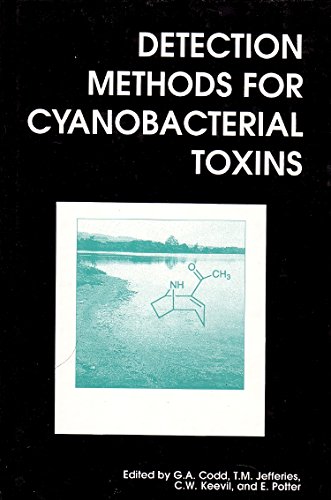
Cyanobacteria, or blue-green algae, commonly occur in a variety of water types throughout the world. A variable, but, high proportion of the cyanobacterial blooms and scums, which can develop annually in lakes, reservoirs, canals and slow-flowing rivers, contain potent toxins. Although animal poisonings and human health problems associated with the ingestion of, or contact with, cyanobacterial scums have long been recognized, a developing understanding of the health hazards posed by the toxins requires that reliable, sensitive, specific and convenient methods are available for their detection and quantification.
Detection methods for cynobacterial toxins looks at the application of biological, toxicological, biochemical and physicochemical techniques in studies of cyanobacterial toxins and at experimental methods that have identified at least 50 cyanobacterial compounds toxic to vertebrates. Academics, public health bodies, environmental protection agencies and water companies are all involved in monitoring cyanobacterial levels and effects, and this book will help to ensure that their research is not duplicated, is standardized and comparable, and that optimal progress can be made in an important area that is still in its developing stages.Les informations fournies dans la section « Synopsis » peuvent faire référence à une autre édition de ce titre.
Présentation de l'éditeur
Cyanobacteria, or blue-green algae, commonly occur in a variety of water types throughout the world. A variable, but, high proportion of the cyanobacterial blooms and scums, which can develop annually in lakes, reservoirs, canals and slow-flowing rivers, contain potent toxins. Although animal poisonings and human health problems associated with the ingestion of, or contact with, cyanobacterial scums have long been recognized, a developing understanding of the health hazards posed by the toxins requires that reliable, sensitive, specific and convenient methods are available for their detection and quantification.
Detection methods for cynobacterial toxins looks at the application of biological, toxicological, biochemical and physicochemical techniques in studies of cyanobacterial toxins and at experimental methods that have identified at least 50 cyanobacterial compounds toxic to vertebrates.
Academics, public health bodies, environmental protection agencies and water companies are all involved in monitoring cyanobacterial levels and effects, and this book will help to ensure that their research is not duplicated, is standardized and comparable, and that optimal progress can be made in an important area that is still in its developing stages.
Les informations fournies dans la section « A propos du livre » peuvent faire référence à une autre édition de ce titre.
Résultats de recherche pour Detection Methods for Cynobacterial Toxins

Image d'archives
Detection Methods for Cynobacterial toxins
Edité par
Woodhead Publishing, 1994
ISBN 10 : 1855738023
ISBN 13 : 9781855738027
Neuf
Couverture rigide
Vendeur : Brook Bookstore On Demand, Napoli, NA, Italie
Évaluation du vendeur 5 sur 5 étoiles

Etat : new. Questo è un articolo print on demand. N° de réf. du vendeur fd8b017e17740744b4a503e40656e75b
Acheter neuf
EUR 164,16
Expédition à EUR 5,50
Expédition depuis Italie vers Etats-Unis
Expédition depuis Italie vers Etats-Unis
Quantité disponible : Plus de 20 disponibles
Image d'archives
Detection Methods for Cynobacterial toxins
Edité par
Woodhead Publishing 1994-01-01, 1994
ISBN 10 : 1855738023
ISBN 13 : 9781855738027
Neuf
Couverture rigide
Vendeur : Chiron Media, Wallingford, Royaume-Uni
Évaluation du vendeur 5 sur 5 étoiles
Hardcover. Etat : New. N° de réf. du vendeur 6666-ELS-9781855738027
Acheter neuf
EUR 151,78
Expédition à EUR 18,11
Expédition depuis Royaume-Uni vers Etats-Unis
Expédition depuis Royaume-Uni vers Etats-Unis
Quantité disponible : Plus de 20 disponibles
Image d'archives
Detection Methods for Cynobacterial Toxins
Edité par
Woodhead Pub Ltd, 1994
ISBN 10 : 1855738023
ISBN 13 : 9781855738027
Neuf
Couverture rigide
Vendeur : Revaluation Books, Exeter, Royaume-Uni
Évaluation du vendeur 5 sur 5 étoiles
Hardcover. Etat : Brand New. 1st edition. 202 pages. 9.62x6.08x0.63 inches. In Stock. N° de réf. du vendeur __1855738023
Acheter neuf
EUR 171,73
Expédition à EUR 11,69
Expédition depuis Royaume-Uni vers Etats-Unis
Expédition depuis Royaume-Uni vers Etats-Unis
Quantité disponible : 2 disponible(s)
Image d'archives
Detection Methods for Cynobacterial toxins (Hardcover)
Edité par
Elsevier Science & Technology, Cambridge, 1994
ISBN 10 : 1855738023
ISBN 13 : 9781855738027
Neuf
Couverture rigide
Vendeur : Grand Eagle Retail, Bensenville, IL, Etats-Unis
Évaluation du vendeur 5 sur 5 étoiles
Hardcover. Etat : new. Hardcover. Cyanobacteria, or blue-green algae, commonly occur in a variety of water types throughout the world. A variable, but, high proportion of the cyanobacterial blooms and scums, which can develop annually in lakes, reservoirs, canals and slow-flowing rivers, contain potent toxins. Although animal poisonings and human health problems associated with the ingestion of, or contact with, cyanobacterial scums have long been recognized, a developing understanding of the health hazards posed by the toxins requires that reliable, sensitive, specific and convenient methods are available for their detection and quantification.Detection methods for cynobacterial toxins looks at the application of biological, toxicological, biochemical and physicochemical techniques in studies of cyanobacterial toxins and at experimental methods that have identified at least 50 cyanobacterial compounds toxic to vertebrates.Academics, public health bodies, environmental protection agencies and water companies are all involved in monitoring cyanobacterial levels and effects, and this book will help to ensure that their research is not duplicated, is standardized and comparable, and that optimal progress can be made in an important area that is still in its developing stages. This volume looks at the application of biological, toxicological, biochemical and physicochemical techniques in studies of cyanobacterial toxins and at experimental methods that have identified at least 50 cyanobacterial compounds toxic to vertebrates. Shipping may be from multiple locations in the US or from the UK, depending on stock availability. N° de réf. du vendeur 9781855738027
Acheter neuf
EUR 256,90
Livraison gratuite
Expédition nationale : Etats-Unis
Expédition nationale : Etats-Unis
Quantité disponible : 1 disponible(s)
Image fournie par le vendeur
Detection Methods for Cynobacterial toxins
Edité par
Elsevier Science, 1994
ISBN 10 : 1855738023
ISBN 13 : 9781855738027
Neuf
Couverture rigide
Vendeur : moluna, Greven, Allemagne
Évaluation du vendeur 5 sur 5 étoiles
Etat : New. Cyanobacteria, or blue-green algae, commonly occur in a variety of water types throughout the world. A variable, but, high proportion of the cyanobacterial blooms and scums, which can develop annually in lakes, reservoirs, canals and slow-flowing rivers, co. N° de réf. du vendeur 597118852
Acheter neuf
EUR 234,99
Expédition à EUR 48,99
Expédition depuis Allemagne vers Etats-Unis
Expédition depuis Allemagne vers Etats-Unis
Quantité disponible : 1 disponible(s)
Image d'archives
Detection Methods for Cynobacterial toxins
Edité par
Woodhead Publishing, 1994
ISBN 10 : 1855738023
ISBN 13 : 9781855738027
Neuf
Couverture rigide
Edition originale
Vendeur : Kennys Bookshop and Art Galleries Ltd., Galway, GY, Irlande
Évaluation du vendeur 5 sur 5 étoiles
Etat : New. 1994. 1st Edition. hardcover. . . . . . N° de réf. du vendeur V9781855738027
Acheter neuf
EUR 276,99
Expédition à EUR 9,50
Expédition depuis Irlande vers Etats-Unis
Expédition depuis Irlande vers Etats-Unis
Quantité disponible : 10 disponible(s)
Image d'archives
Detection Methods for Cynobacterial Toxins
Edité par
Woodhead Pub Ltd, 1994
ISBN 10 : 1855738023
ISBN 13 : 9781855738027
Neuf
Couverture rigide
Vendeur : Revaluation Books, Exeter, Royaume-Uni
Évaluation du vendeur 5 sur 5 étoiles
Hardcover. Etat : Brand New. 1st edition. 202 pages. 9.62x6.08x0.63 inches. In Stock. N° de réf. du vendeur x-1855738023
Acheter neuf
EUR 317,87
Expédition à EUR 11,69
Expédition depuis Royaume-Uni vers Etats-Unis
Expédition depuis Royaume-Uni vers Etats-Unis
Quantité disponible : 1 disponible(s)
Image d'archives
Detection Methods for Cynobacterial toxins
Edité par
Woodhead Publishing, 1994
ISBN 10 : 1855738023
ISBN 13 : 9781855738027
Neuf
Couverture rigide
Vendeur : Kennys Bookstore, Olney, MD, Etats-Unis
Évaluation du vendeur 5 sur 5 étoiles
Etat : New. 1994. 1st Edition. hardcover. . . . . . Books ship from the US and Ireland. N° de réf. du vendeur V9781855738027
Acheter neuf
EUR 346,09
Expédition à EUR 9,09
Expédition nationale : Etats-Unis
Expédition nationale : Etats-Unis
Quantité disponible : 10 disponible(s)
Image d'archives
Detection Methods for Cynobacterial toxins
Edité par
Woodhead Publishing, 1994
ISBN 10 : 1855738023
ISBN 13 : 9781855738027
Neuf
Couverture rigide
Vendeur : Mispah books, Redhill, SURRE, Royaume-Uni
Évaluation du vendeur 4 sur 5 étoiles

Hardcover. Etat : New. New .Ships From Multiple Locations. book. N° de réf. du vendeur ERICA79118557380236
Acheter neuf
EUR 376,91
Expédition à EUR 29,23
Expédition depuis Royaume-Uni vers Etats-Unis
Expédition depuis Royaume-Uni vers Etats-Unis
Quantité disponible : 1 disponible(s)
Image d'archives
Detection Methods for Cynobacterial toxins (Hardcover)
Edité par
Elsevier Science & Technology, Cambridge, 1994
ISBN 10 : 1855738023
ISBN 13 : 9781855738027
Neuf
Couverture rigide
Vendeur : AussieBookSeller, Truganina, VIC, Australie
Évaluation du vendeur 5 sur 5 étoiles
Hardcover. Etat : new. Hardcover. Cyanobacteria, or blue-green algae, commonly occur in a variety of water types throughout the world. A variable, but, high proportion of the cyanobacterial blooms and scums, which can develop annually in lakes, reservoirs, canals and slow-flowing rivers, contain potent toxins. Although animal poisonings and human health problems associated with the ingestion of, or contact with, cyanobacterial scums have long been recognized, a developing understanding of the health hazards posed by the toxins requires that reliable, sensitive, specific and convenient methods are available for their detection and quantification.Detection methods for cynobacterial toxins looks at the application of biological, toxicological, biochemical and physicochemical techniques in studies of cyanobacterial toxins and at experimental methods that have identified at least 50 cyanobacterial compounds toxic to vertebrates.Academics, public health bodies, environmental protection agencies and water companies are all involved in monitoring cyanobacterial levels and effects, and this book will help to ensure that their research is not duplicated, is standardized and comparable, and that optimal progress can be made in an important area that is still in its developing stages. This volume looks at the application of biological, toxicological, biochemical and physicochemical techniques in studies of cyanobacterial toxins and at experimental methods that have identified at least 50 cyanobacterial compounds toxic to vertebrates. Shipping may be from our Sydney, NSW warehouse or from our UK or US warehouse, depending on stock availability. N° de réf. du vendeur 9781855738027
Acheter neuf
EUR 396,93
Expédition à EUR 32,04
Expédition depuis Australie vers Etats-Unis
Expédition depuis Australie vers Etats-Unis
Quantité disponible : 1 disponible(s)