
Articles liés à Debating Cancer: The Paradox in Cancer Research
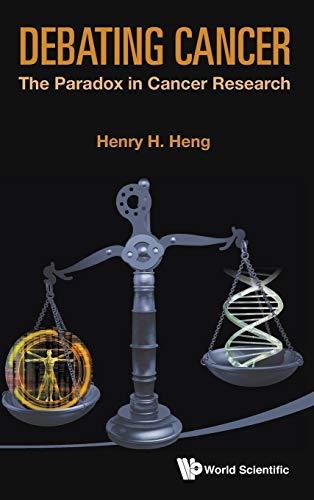
Synopsis
Cancer research is at a crossroads. Traditionally, cancer has been thought of as a disease of gene mutation, where the stepwise accumulation of cancer gene mutations is the key, and the identification of common gene mutations has been considered to be essential for diagnosis and treatment. Despite extensive research efforts and accumulated knowledge on cancer genes and pathways, the clinical benefits of this traditional approach have been limited. Recently, cancer genome sequencing has revealed an extensive amount of genetic heterogeneity where the long-expected common mutation drivers have been difficult, if not impossible, to identify. These realities ultimately challenge the conceptual framework of current cancer biology.This book introduces a new concept of genome theory of cancer evolution, in an attempt to unify the field. Many important and representative, but often confusing, questions and paradoxes are critically analyzed. By comparing gene- and genome-based theories, the hidden flaws of many popular viewpoints are addressed. This discussion is intended to initiate a much-needed critical re-evaluation of current cancer research.
Les informations fournies dans la section « Synopsis » peuvent faire référence à une autre édition de ce titre.
À propos de la quatrième de couverture
Cancer research is at a crossroads. Traditionally, cancer has been thought of as a disease of gene mutation, where the stepwise accumulation of cancer gene mutations is the key, and the identification of common gene mutations has been considered to be essential for diagnosis and treatment. Despite extensive research efforts and accumulated knowledge on cancer genes and pathways, the clinical benefits of this traditional approach have been limited. Recently, cancer genome sequencing has revealed an extensive amount of genetic heterogeneity where the long expected common mutation drivers have been difficult, if not impossible, to identify. These realities ultimately challenge the conceptual framework of current cancer biology.
This book introduces a new concept of genome theory of cancer evolution to unify the field. Many important and representative, but often confusing, questions and paradoxes will be critically analyzed. By comparing gene and genome-based theories, the hidden flaws of many popular viewpoints are addressed. This discussion is intended to initiate a much-needed critical re-evaluation of current cancer research.
Les informations fournies dans la section « A propos du livre » peuvent faire référence à une autre édition de ce titre.
Résultats de recherche pour Debating Cancer: The Paradox in Cancer Research

Image d'archives
Debating Cancer The Paradox in Cancer Research
Edité par
World Scientific Publishing Company, 2015
ISBN 10 : 9814520845
ISBN 13 : 9789814520843
Neuf
Couverture rigide
Vendeur : Basi6 International, Irving, TX, Etats-Unis
Évaluation du vendeur 5 sur 5 étoiles

Etat : Brand New. New. US edition. Expediting shipping for all USA and Europe orders excluding PO Box. Excellent Customer Service. N° de réf. du vendeur ABEOCT25-291037
Acheter neuf
EUR 103,02
Livraison gratuite
Expédition nationale : Etats-Unis
Expédition nationale : Etats-Unis
Quantité disponible : 1 disponible(s)
Image d'archives
Debating Cancer The Paradox in Cancer Research
Edité par
World Scientific Publishing Company, 2015
ISBN 10 : 9814520845
ISBN 13 : 9789814520843
Neuf
Couverture rigide
Vendeur : Romtrade Corp., STERLING HEIGHTS, MI, Etats-Unis
Évaluation du vendeur 5 sur 5 étoiles
Etat : New. This is a Brand-new US Edition. This Item may be shipped from US or any other country as we have multiple locations worldwide. N° de réf. du vendeur ABBB-126923
Acheter neuf
EUR 104,39
Livraison gratuite
Expédition nationale : Etats-Unis
Expédition nationale : Etats-Unis
Quantité disponible : 1 disponible(s)
Image d'archives
Debating Cancer: The Paradox in Cancer Research
Edité par
World Scientific Publishing Company, Incorporated, 2015
ISBN 10 : 9814520845
ISBN 13 : 9789814520843
Ancien ou d'occasion
Couverture rigide
Vendeur : Books Puddle, Woodside, NY, Etats-Unis
Évaluation du vendeur 4 sur 5 étoiles

Etat : Used. 1st edition. N° de réf. du vendeur 2697115658
Acheter D'occasion
EUR 142,44
Expédition à EUR 3,56
Expédition nationale : Etats-Unis
Expédition nationale : Etats-Unis
Quantité disponible : 1 disponible(s)
Image d'archives
Debating Cancer: The Paradox in Cancer Research
Edité par
World Scientific Publishing Company, Incorporated, 2015
ISBN 10 : 9814520845
ISBN 13 : 9789814520843
Ancien ou d'occasion
Couverture rigide
Vendeur : Majestic Books, Hounslow, Royaume-Uni
Évaluation du vendeur 4 sur 5 étoiles
Etat : Used. N° de réf. du vendeur 96362965
Acheter D'occasion
EUR 146,29
Expédition à EUR 7,69
Expédition depuis Royaume-Uni vers Etats-Unis
Expédition depuis Royaume-Uni vers Etats-Unis
Quantité disponible : 1 disponible(s)
Image d'archives
Debating Cancer: The Paradox in Cancer Research
Edité par
World Scientific Publishing Company, Incorporated, 2015
ISBN 10 : 9814520845
ISBN 13 : 9789814520843
Ancien ou d'occasion
Couverture rigide
Vendeur : Biblios, Frankfurt am main, HESSE, Allemagne
Évaluation du vendeur 4 sur 5 étoiles
Etat : Used. N° de réf. du vendeur 1897115648
Acheter D'occasion
EUR 145,51
Expédition à EUR 9,95
Expédition depuis Allemagne vers Etats-Unis
Expédition depuis Allemagne vers Etats-Unis
Quantité disponible : 1 disponible(s)
Image d'archives
Debating Cancer: The Paradox In Cancer Research
Edité par
World Scientific Publishing Co Pte Ltd, 2015
ISBN 10 : 9814520845
ISBN 13 : 9789814520843
Neuf
Couverture rigide
Vendeur : PBShop.store US, Wood Dale, IL, Etats-Unis
Évaluation du vendeur 5 sur 5 étoiles
HRD. Etat : New. New Book. Shipped from UK. Established seller since 2000. N° de réf. du vendeur CX-9789814520843
Acheter neuf
EUR 166,43
Livraison gratuite
Expédition nationale : Etats-Unis
Expédition nationale : Etats-Unis
Quantité disponible : 15 disponible(s)
Image d'archives
Debating Cancer: The Paradox In Cancer Research
Edité par
World Scientific Publishing Co Pte Ltd, 2015
ISBN 10 : 9814520845
ISBN 13 : 9789814520843
Neuf
Couverture rigide
Vendeur : PBShop.store UK, Fairford, GLOS, Royaume-Uni
Évaluation du vendeur 5 sur 5 étoiles
HRD. Etat : New. New Book. Shipped from UK. Established seller since 2000. N° de réf. du vendeur CX-9789814520843
Acheter neuf
EUR 173,48
Expédition à EUR 6,95
Expédition depuis Royaume-Uni vers Etats-Unis
Expédition depuis Royaume-Uni vers Etats-Unis
Quantité disponible : 15 disponible(s)
Image d'archives
DEBATING CANCER: THE PARADOX IN CANCER RESEARCH
Edité par
World Scientific Publishing Company, 2015
ISBN 10 : 9814520845
ISBN 13 : 9789814520843
Neuf
Couverture rigide
Vendeur : California Books, Miami, FL, Etats-Unis
Évaluation du vendeur 5 sur 5 étoiles
Etat : New. N° de réf. du vendeur I-9789814520843
Acheter neuf
EUR 194,74
Livraison gratuite
Expédition nationale : Etats-Unis
Expédition nationale : Etats-Unis
Quantité disponible : Plus de 20 disponibles
Image fournie par le vendeur
Debating Cancer
impression à la demandeVendeur : moluna, Greven, Allemagne
Évaluation du vendeur 5 sur 5 étoiles
Gebunden. Etat : New. Dieser Artikel ist ein Print on Demand Artikel und wird nach Ihrer Bestellung fuer Sie gedruckt. InhaltsverzeichnisGene Mutation Theory vs. Genome Theory Cancer Genome Landscape: The Untold Story of Cancer Genome Sequencing Lottery Principle: The Gene, Genome, Environment, and the Perfect Storm Examples of Popular but Flawed Conc. N° de réf. du vendeur 113091071
Acheter neuf
EUR 150,36
Expédition à EUR 48,99
Expédition depuis Allemagne vers Etats-Unis
Expédition depuis Allemagne vers Etats-Unis
Quantité disponible : Plus de 20 disponibles
Image d'archives
DEBATING CANCER: THE PARADOX IN CANCER RESEARCH
Edité par
World Scientific Publishing Company, 2015
ISBN 10 : 9814520845
ISBN 13 : 9789814520843
Neuf
Couverture rigide
Vendeur : Ria Christie Collections, Uxbridge, Royaume-Uni
Évaluation du vendeur 5 sur 5 étoiles
Etat : New. In English. N° de réf. du vendeur ria9789814520843_new
Acheter neuf
EUR 196,03
Expédition à EUR 13,36
Expédition depuis Royaume-Uni vers Etats-Unis
Expédition depuis Royaume-Uni vers Etats-Unis
Quantité disponible : Plus de 20 disponibles